.jpg)
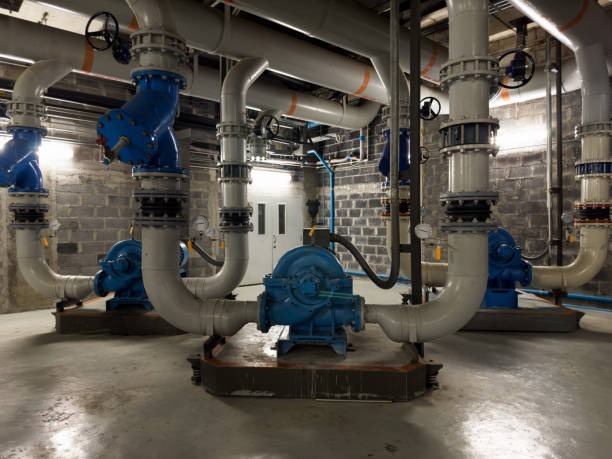
In NYC buildings, pumps do a lot of quiet work behind the scenes.
They support domestic water pressure, heating circulation, drainage and sump systems, condenser water movement, and other core building functions. When they are working normally, nobody thinks about them. When they start to fail, the signs often show up before the actual breakdown.
The Department of Energy notes that effective pump maintenance helps detect problems early and avoid premature failures, which is one reason early warning signs deserve attention instead of delay. The problem is that those signs are easy to brush off until the building is dealing with low pressure, alarms, leaks, or an after-hours emergency call.
This is not a repair guide, it is a planning and awareness piece to help building teams recognize warning signs, document what matters, and bring in qualified service before the pump becomes a bigger disruption.
Quick Answer: What Are the Earliest Signs of Pump Failure?
The most common early warning signs of NYC building pump repair issues are:
- new or worsening noise
- unusual vibration
- leaks or moisture near the pump or piping
- pressure or flow decline
- frequent alarms or short cycling
Most full pump failures do not happen without warning. The warning signs usually show up first. The advantage for property teams is that early action can reduce downtime, water-related damage, and emergency response pressure. That is the core message of the outline.
Sign 1: New or Worsening Noise
A pump that used to run quietly but suddenly sounds rough is worth attention.
Building staff may notice a grinding sound, a rattling or gravel-like noise, or a repeated humming that was not there before. Those sound changes do not tell a property manager exactly what is wrong, and they should not be treated as a cue for DIY inspection. But they do signal that the equipment is no longer operating normally. The approved outline is smart here: it stays focused on what managers can observe and report, not what they should try to diagnose themselves.
Grundfos explains that cavitation can create noise and vibration and, depending on severity, can damage pumps. That is one reason a “gravel” sound should not be treated as background noise.
For a service call, useful details include where the sound is happening, what it sounds like, and whether it only shows up during peak demand or when the system cycles on.
Sign 2: Excess Vibration or Shaking
Sometimes the first sign is not what staff hear. It is what they feel.
A pump may visibly shake more than usual, transfer vibration into nearby piping, or make the whole mounting area feel louder even when the sound itself is subtle. Vibration is one of those warning signs that often shows up before a full failure. If it continues, it can contribute to more wear, more instability, and more disruption.
NREL’s pump operations resource highlights routine checks like seals, bearings, and alignment as part of periodic maintenance, reinforcing why vibration should trigger a professional review.
For property teams, the helpful next step is documentation: when vibration was first noticed, whether it seems tied to a specific operating cycle, and whether anything changed recently in the building, such as new load, construction activity, or a power event.
Sign 3: Leaks or Moisture Around the Pump
Leaks around a pump rarely improve on their own. Staff may notice drips, a damp area near the base, moisture around seals, or rust and mineral buildup that was not there before.
Even if the leak looks small, it matters. Water near pumps, controls, or nearby electrical components creates more than one risk at once. The issue is not just water loss. It is also the possibility of equipment damage, corrosion, and a larger building-system problem if the condition worsens.
The right building-team response is to document where the moisture appears to be coming from, whether it is active dripping or residual staining, and whether it is moving toward any electrical components. Photos can help if they are safe to take.
If a building pump issue is tied to leaks, water pressure changes, or drainage problems, our Plumbing page is the right place to understand how Omnia supports NYC properties.
Sign 4: Pressure or Flow Drops
Performance problems are often the warning sign tenants feel first.
A booster pump may not keep up with demand. Tenants may complain about weak water pressure at specific times of day. A sump system may seem slower to recover after heavy rain. Heating complaints may increase because circulation feels uneven in different parts of the building.
These are all signs that the system may be losing performance before it reaches total failure. The approved outline handles this well because it keeps the focus on what the building experiences operationally: low pressure, low flow, slow recovery, recurring complaints, and alarms.
For a cleaner service handoff, property teams should document where the building is seeing the issue, whether it is constant or tied to peak demand, and whether any alarm history or operator notes line up with the same time window.
If your building is seeing pressure issues, recurring pump alarms, or performance decline, the Pumps page is the best reference point for how Omnia supports pump reliability and response.
Sign 5: Frequent Alarms or Short Cycling
A pump that starts and stops constantly is not just annoying. It is a warning.
Property teams may notice more alarms than usual, repeated restarts, or staff having to “babysit” the equipment to keep it stable. That is often a sign the system is no longer operating in a normal rhythm. The outline is right to treat this as an early indicator of a possible after-hours failure.
For service response, the most helpful details are the alarm message, how often it is happening, and whether there is a pattern such as overnight issues, weekend recurrence, storm-related events, or changes after recent contractor work.
When pump alarms start piling up or performance becomes unreliable, Omnia’s servicing focuses on fast response and clean communication for NYC building teams.
What to Have Ready When You Call (So Response Is Faster)
Pump issues get resolved faster when the first call includes usable information.
Helpful information includes:
- building address and access instructions
- pump type, such as booster, sump, circulation, or condenser water
- exact location
- what staff observed, such as noise, vibration, leaks, alarms, or pressure decline
- when it started and whether it is getting worse
- whether it affects one area or multiple zones
- whether anything recently changed, such as a power event, storm, or new equipment load
When It Should Be Treated as an Emergency
Some pump issues can wait for planned service. Others should not.
Immediate escalation should happen if the pump supports domestic water pressure and the building is losing pressure, if there is visible leaking near electrical equipment or controls, if alarms are repeating and the system is unstable, or if a sump or drainage pump is not keeping up during active weather conditions. Those are strong guardrails and worth keeping.
For buildings, the dividing line is simple: when pump instability starts affecting tenant safety, water control, or critical building operations, it belongs in the urgent category.
If your building is seeing pump failure warning signs—alarms, leaks, vibration, or pressure problems—contact Omnia Mechanical Group to schedule a site visit and address the issue before it becomes an emergency.
Preventing Repeat Pump Emergencies
Regular maintenance plays a big role in pump reliability. In many NYC buildings, pump problems do not start with a full shutdown. They start with smaller patterns like recurring vibration, intermittent alarms, pressure fluctuations, or a leak that keeps coming back. When those warning signs are tracked early and reviewed as part of a planned service rhythm, building teams have a better chance of addressing issues before they turn into after-hours emergencies.
For property managers, that usually means keeping an eye on recurring issues by location and symptom, making sure pump records are easy to pull when needed, and building a service schedule that is driven by reliability instead of crisis. That is where a maintenance-focused approach adds value. Instead of waiting for a pump to fail at the worst possible time, teams can stay ahead of the issues that tend to repeat.
If you want fewer after-hours emergencies and more predictable building operations, Omnia’s pump-maintenance supports planned service and documentation across critical systems.
If your team is looking for a more repeatable pump maintenance program across one building or a larger portfolio, Omnia+ is designed to support proactive planning, coordinated documentation, and ongoing system visibility.
Small Signs Usually Come First
Most pump failures are loud when they finally happen. The warning signs usually are not.
That is why this matters for NYC property managers and facilities teams. If staff know what to watch for and what to document, buildings have a better chance of catching problems before they become pressure loss, drainage trouble, water damage, or a late-night emergency call.
If your building is seeing the early signs of pump failure or you want a proactive plan before the next outage, contact Omnia Mechanical Group to schedule a site visit and tighten up pump reliability across your property.