*If this is a real emergency and you see fire, please call 911. This blog is meant to be informative.*
In NYC buildings, an electrical burning smell is never something to ignore.
It may show up in a corridor, an electrical closet, a mechanical room, or near tenant equipment. Sometimes there is no visible smoke at first. Sometimes the only sign is a hot-plastic odor, flickering lights, or breakers that keep tripping in the same area.
The problem for property teams is that what looks minor at the start can turn into a much bigger outage or safety event if the response is slow or improvised. FDNY’s current electrical home safety guidance warns that overloaded outlets and power strips are major fire contributors, and it tells New Yorkers to stop using outlets or switches that feel hot and to have a qualified licensed electrician check the wiring as soon as possible.
This guide is not about diagnosing or repairing the issue, it is about helping building managers reduce risk, secure the area, document what matters, and get qualified electrical service involved quickly.
Quick Answer: What Should Building Teams Do First?
If there is an electrical burning smell in an NYC building, the first step is to decide whether the situation is an emergency or an urgent controlled response.
If there is smoke, visible sparking, or flame, treat it as an emergency and follow building emergency procedures right away. If there is a persistent burning smell without visible smoke or flame, treat it as urgent, limit access to the area, reduce use in the affected zone, document what is happening, and call qualified electrical service. That “secure first, do not troubleshoot” guardrail is central to the approved outline.
What “Secure the Area” Really Means
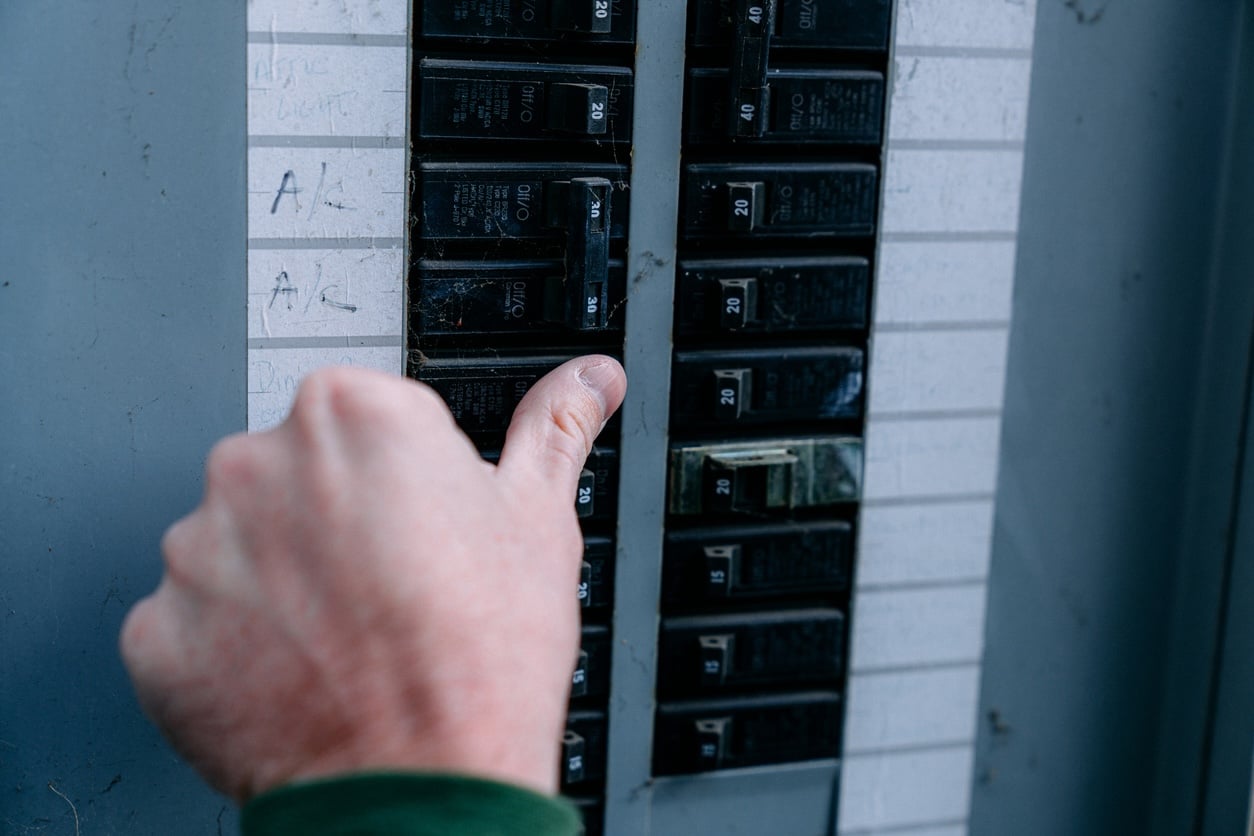
For building teams, securing the area does not mean opening panels, guessing at breakers, or trying to isolate circuits without authorization.
It means controlling exposure. Keep occupants away from the area where the smell is strongest. Restrict access to electrical closets, risers, and utility spaces. Ask occupants in the affected zone to stop using non-essential plug-in equipment until the condition is reviewed. If temporary power or contractor work is active nearby, pause that work and escalate instead of trying to create a workaround.
The safest response is to reduce access, reduce use, and bring in the right service, not turn the moment into a DIY inspection.
That caution is backed up by OSHA. OSHA’s arc-flash guidance says even low-voltage equipment can create severe arc-flash hazards and emphasizes that electrical equipment should be treated as energized unless proper lockout and tagout steps are followed.
Where Burning Smells Commonly Show Up
A burning smell tied to building electrical systems may show up in more than one type of space.
Common locations include outlet and switch areas in units or corridors, electrical closets, riser spaces, mechanical rooms where controls or motors operate, areas near building control equipment, and temporary power setups during renovation work. It can also show up around power-strip clusters in offices, amenity spaces, or management areas.
The value in noticing the location is not that staff should determine the cause themselves. The value is that it gives responding electrical professionals faster context when they arrive.
Signs It Is Not a Minor Issue
Some warning signs should push the response from “monitor it” to “act now.”
A warm or hot outlet plate, scorch marks, discoloration, recurring odor in the same location, flickering lights in the same zone, frequent breaker trips, buzzing, popping, or crackling sounds all point to a condition that should be treated as urgent.
NFPA’s current electrical safety checklist tells people to call a qualified electrician or landlord for frequent breaker trips, discolored or warm wall outlets, burning or rubbery smells, flickering lights, or sparks from an outlet.
What to Document Before You Call
When a burning smell electrical NYC building issue is active, good documentation helps qualified service move faster.
Property teams should capture:
- the exact location where the smell is strongest
- when it was first noticed
- whether it is constant or intermittent
- whether it is getting stronger
- and whether other signs are present like heat, flicker, tripping, or buzzing
If there is visible discoloration or scorching and it is safe to photograph, that can also help. The goal is not to write a report worthy of an investigation. The goal is to give the electrician or service team clean, usable information without delay.
A practical call sheet would include the building address, access instructions, exact location, scope of impact, what was observed, and whether any recent activity may be related, such as contractor work, a new move-in, temporary power, or unusual load during cold weather.
When building operations are disrupted by electrical hazards like burning smells, Omnia’s Servicing focuses on fast response, clear communication, and documentation that helps the right team act quickly.
When to Call Immediately
Some conditions do not belong in the “let’s watch it” category.
Call immediately if there is smoke, sparking, visible flame, a burning smell paired with heat or buzzing, repeated breaker trips in the same area, or instability affecting multiple spaces.
If your building has a persistent electrical burning smell, repeated trips, or any warning signs near critical building equipment, contact Omnia Mechanical Group so qualified electrical service can be dispatched quickly.
Why Quick Fixes Make Things Worse
Electrical issues are one of the easiest places for a building team to make a stressful situation worse by trying to get through the day.
Repeated resets, unapproved temporary power arrangements, or unauthorized electrical work may seem like a way to restore normal operations quickly, but they can create larger outages, equipment damage, and added liability.
NYC DOB states that an electrical permit is required for most electrical work and warns that if electrical work is performed without a permit, both the building owner and the individual who performed the illegal work may face violations, court appearances, and fines. DOB also notes that electrical work is generally performed by licensed electrical contractors.
Do not improvise. Protect people, document the condition, and get the right licensed help involved.
If your building is trying to stay inspection-ready and avoid paperwork problems tied to electrical work, Omnia’s Compliance helps keep documentation and project requirements organized.
A Better Long-Term Pattern for Property Teams
A single incident matters, but repeat incidents matter even more.
If the same corridor, closet, or equipment zone keeps showing up in complaints, that is a pattern worth tracking. The same is true if odor events show up after storms, after contractor activity, or during peak seasonal load.
A simple internal log that captures date, time, location, symptoms, impact, and what qualified service found can help buildings move from recurring emergencies to more planned follow-through.
If your goal is fewer emergency calls and more predictability, Omnia+ supports proactive maintenance planning so recurring building issues get addressed before they escalate
Fast, Calm, Professional Response Matters Most
A burning electrical smell is one of those warnings that deserves quick attention even when nothing looks dramatic yet.
The right response is usually not complicated. Secure the area. Reduce exposure. Document what is happening. Avoid unauthorized work. Bring in qualified electrical service. When building teams stay calm and follow that sequence, they protect occupants and lower the chance that a limited issue turns into a major outage.
If your building is dealing with a burning electrical smell, recurring flicker, or repeated trips in the same area, contact Omnia Mechanical Group to schedule a site visit and address the issue safely before it turns into a bigger outage.