Local Law 152 is one of those compliance requirements that feels manageable until it’s suddenly December, access is incomplete, repairs are needed, and the paperwork still hasn’t been filed.
The good news is that LL152 becomes far more predictable when it’s treated like a project, not a last-minute task. With a clear timeline, a standard checklist, and defined next steps, most of the stress disappears.
This guide breaks down what LL152 requires, when each step should happen, and how property managers can stay ahead of deadlines without scrambling.
What LL152 Requires (Quick Clarity for Busy PMs)
Local Law 152 requires periodic inspections of exposed gas piping systems in NYC buildings, with some exemptions (such as certain Occupancy Group R-3 buildings).
Key points property teams should know:
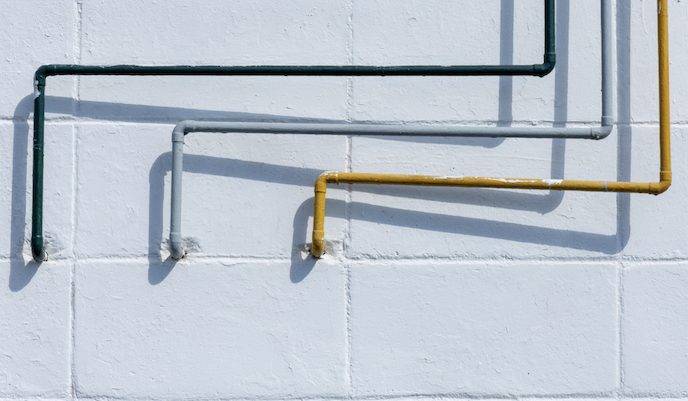
- The inspection focuses on exposed gas piping, not piping hidden behind walls or ceilings.
- The inspection must be performed by a Licensed Master Plumber (LMP) or a qualified individual working directly under an LMP’s supervision.
- The inspection results must be documented and filed with the NYC Department of Buildings (DOB) within specific timeframes.
NYC DOB’s Gas Piping Inspections page lays out the LL152 process step by step, including what gets filed and what happens if corrections are required.
Start Here: Your LL152 “Due Year” Comes From Your Community District
Before calling vendors or scheduling inspections, the first step is administrative.
You need to confirm:
- Your building’s NYC community district
- The inspection cycle year tied to that district
Once confirmed, this should be built into your portfolio planning so each building has a recurring compliance reminder—not a last-minute scramble.
To find your building’s community district and inspection cycle, the NYC Department of City Planning Community District Profiles tool allows you to search by address.
The inspection itself must be performed by a Licensed Master Plumber. You can learn more about how Omnia’s plumbing specialists handle LL152 compliance through What We Do — Plumbers.
A Property Manager’s LL152 Timeline (Work Backward From “Due”)
Treat LL152 as a timeline-driven process. Working backward from your due date creates breathing room for access coordination, repairs, and filing.
9-12 Months Before Your Due Date
- Confirm community district and due year
- Confirm building gas status:
- Gas piping present with active service
- Gas piping present but service disconnected
- No gas piping at all (note: certification is still required in many cases)
- Choose your inspection partner early to avoid peak-season shortages
6-9 Months Before Your Due Date
- Schedule the inspection date
- Plan access for:
- Boiler rooms and mechanical spaces
- Hallways, corridors, and public areas with exposed piping
- Rooftop piping (if applicable)
- Notify staff and tenants if coordination is required
0–30 Days After Inspection
- Receive the Gas Piping System Periodic Inspection Report from the plumber
- Review findings immediately so repair needs don’t delay filing
Within 60 Days After Inspection
- Submit the certification to DOB within 60 days of the inspection date
If Corrections Are Required
- Complete required repairs and submit a follow-up certification within 120 days
- If additional time is needed, DOB guidance allows extensions (up to 180 days) depending on correction scope
Choosing your inspection partner early matters. Omnia’s Services are built around scheduling ahead of the year-end rush so teams aren’t compressed by December deadlines.
The LL152 Checklist (What to Gather, Confirm, and Schedule)
Building Basics
- Building address and BIN
- Community district confirmation
- Occupancy group (to confirm exemption status where applicable)
Gas System Status
- Active gas service
- Gas piping present but disconnected
- No gas piping at all
- If no gas piping exists, DOB still requires a certification stating this condition
Access and Site Readiness
Identify every location where exposed gas piping must be visually inspected:
- Point of entry and service meters
- Public spaces, corridors, and hallways
- Boiler rooms and mechanical spaces
- Exterior or rooftop piping (if applicable)
Confirm:
- Staff availability to unlock and escort
- Safe access to rooftops and mechanical areas
Documentation and Filing Readiness
Plan to collect:
- Inspection date
- Inspection report from the Licensed Master Plumber
- Documentation for any corrections and related permits
- DOB notes that all corrections must comply with NYC Construction Codes and permitting requirements
The NYC DOB LL152 FAQs provide additional detail on what qualifies as exposed gas piping and which areas are included in the required visual inspection.
What Happens If the Inspection Finds a Problem
If conditions requiring correction are identified:
- Treat it as a schedule issue, not a future task
- Filing deadlines are tied to the inspection date, not repair completion
If an inspection identifies unsafe or hazardous conditions:
- DOB guidance requires the LMP to immediately notify the owner, the utility, and DOB
- The owner must take immediate action
This is why early scheduling matters. The earlier the inspection happens, the more flexibility you have to correct issues and still file on time.
Common LL152 Mistakes That Trip Up Property Teams
- Waiting until the second half of the year to schedule inspections
- Not planning access for rooftops and mechanical spaces
- Treating the inspection as the finish line instead of the start of a filing timeline
- Missing post-inspection deadlines (30/60/120/180-day windows)
- Assuming “no gas piping” means “no action required”
Most compliance issues aren’t technical. They’re timing and coordination problems.
Next Steps: How to Make LL152 Easier Every Year After This
Strong property teams turn LL152 into a repeatable process:
- Maintain a portfolio compliance tracker:
- Building → community district → due year → inspection date → filing deadlines
- Standardize a pre-inspection access checklist for staff
- Schedule inspections early in the cycle
- Keep organized records (DOB guidance recommends retaining reports and certifications)
With decades of NYC experience, Omnia Mechanical Group understands how local mandates intersect with real property management timelines. You can learn more about our approach on the About Us page.
Treat LL152 Like a Repeatable Process, Not a Surprise Deadline
LL152 is far less stressful when your team follows a clear timeline and gathers the right information early. A strong process protects your building, your staff, and your schedule.
You’re not rushing inspections, guessing on access, or filing under pressure.
If you manage NYC buildings and want a clear LL152 plan for inspection scheduling, access coordination, correction support, and filing-ready documentation, contact Omnia Mechanical Group to schedule a site visit and build a compliance timeline you can reuse every cycle.