In NYC buildings, a leak is rarely contained to “one unit, one ceiling.” Water moves fast down, sideways, and into electrical, drywall, and finished spaces you can’t see.
The first 10 minutes matter because they are the difference between “we caught it early” and “now we have multiple floors involved.” What you do in that short window determines whether the issue stays manageable or turns into a much larger disruption.
This guide is a simple triage plan for building staff and property managers. The priorities are always the same: stay safe, stop the source, contain the spread, document what happened, and escalate smartly.
The 10-Minute Leak Triage Plan
Minute 0–2: Safety First (Before You Grab a Bucket)
Treat every active leak as if electricity could be involved because in NYC buildings, it often is.
If there is standing water near outlets, power strips, elevator controls, or electrical panels:
- Do not step into water to reach switches or equipment
- Keep people away from the area
- Restrict access if needed
If you smell burning, see sparking, or hear electrical buzzing, escalate immediately. This is not a “wait and see” situation.
The American Red Cross notes that if there is water between you and the electrical panel, you should not step into the water to reach it, even if shutting power off seems urgent.
OSHA’s electrical safety guidance reinforces the same rule: never operate electrical equipment while standing in water. Safety comes before containment. Always.
Minute 2–5: Stop the Water at the Closest Practical Point
Your goal in these minutes is not to diagnose the entire plumbing system. Your goal is to stop the flow as quickly and safely as possible.
Start with two quick questions:
- Is this clean water (supply line, fixture feed) or waste water (drain, overflow, backup)?
- Is the source visible, or is the water coming from above or behind finished surfaces?
Then work through shutoffs in this order:
- Fixture-level shutoff (toilet, sink, appliance line)
- Unit shutoff, if your building has unit isolation
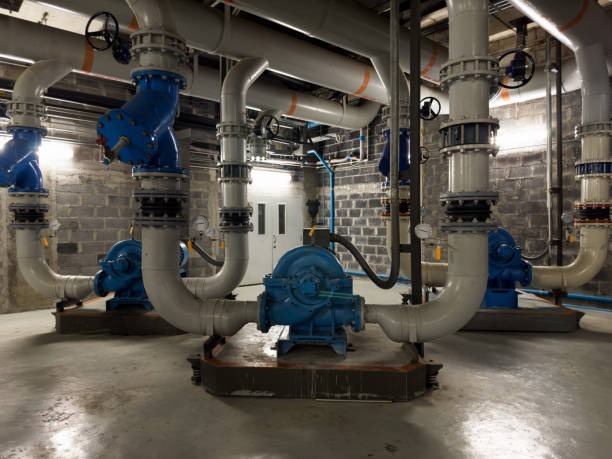
- Stack or zone shutoff, where applicable
- Building main shutoff, if isolation isn’t possible and damage is spreading
Speed matters, but guessing does not help. If your team isn’t confident where shutoffs are typically located or which valve controls what, Omnia’s FAQ is a good starting point for building-ready guidance before an emergency happens.
Minute 5–10: Contain, Protect, and Prevent Spread
Once the water is stopped or at least slowed, shift immediately to containment.
Key actions:
- Place buckets and towels directly at drip points
- Move furniture, electronics, rugs, and stored items out of the water path
- Protect finishes and flooring where possible
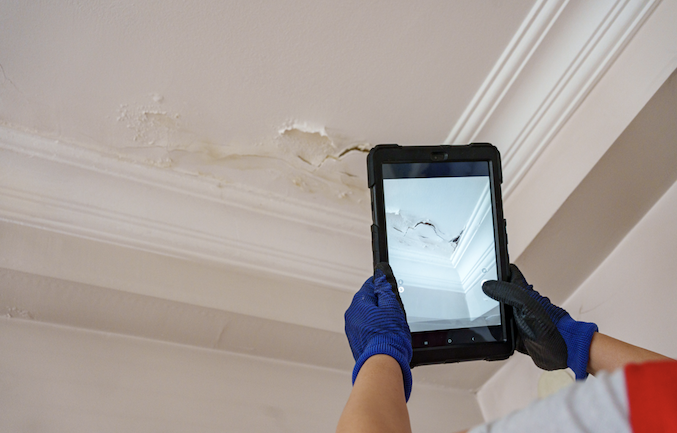
If there is a ceiling “bubble,” only puncture it after you have containment ready, and only if this aligns with your building’s protocol. An uncontrolled ceiling collapse can make damage far worse.
Also check vertical spread immediately:
- Visit the unit below
- Check common areas, hallways, and shafts
- Pay special attention to stairwells and elevator-adjacent areas
Water that moves behind walls or under floors escalates quickly. Early containment reduces how much damage stays hidden.
When a leak is active or spreading across units, Omnia’s Plumbing team can help isolate the source, complete repairs, and guide next steps before water damage grows.
What to Document While You’re Containing the Leak
Good documentation protects your building, your team, and your timeline.
Capture:
- Time the leak was reported
- Where it was first observed (unit, line, room)
- What it looked like (drip, steady stream, ceiling stain, active overflow)
- What shutoff was used (fixture, unit, zone, main)
- Photos and a short video (before and after shutoff)
- Areas impacted (units, floors, common spaces)
This information makes service response faster and supports insurance, ownership updates, and follow-up work. Omnia’s Service team coordinates around real-time documentation and dispatch so nothing gets lost once multiple teams are involved.
Quick Decision Tree: Handle vs. Escalate
Building staff can often handle it when:
- The source is visible
- The shutoff works immediately
- Water is contained to a small area
- No electrical risk is present
- No ceilings are compromised
- No waste water is involved
Escalate immediately when:
- The source is not visible
- Water is traveling through ceilings or walls
- Multiple floors or units are affected
- Electrical panels, outlets, or controls may be exposed
- The leak involves waste water or sewage
- The shutoff does not stop the flow
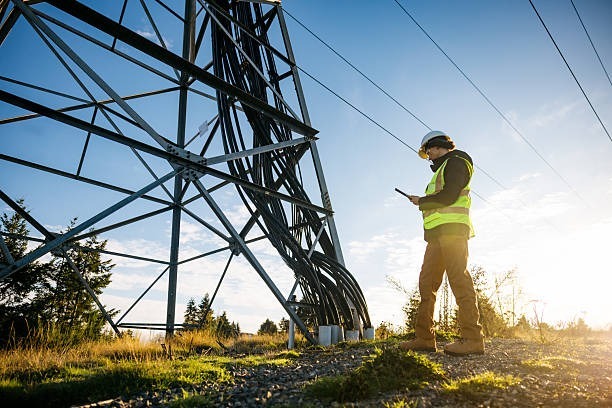
If water has reached outlets, panels, or building controls, Omnia’s Electrical team can help evaluate risk before anything is re-energized.
The Most Common NYC Leak Scenarios (And the Fastest First Move)
Ceiling leak in an apartment
First move: Contain the drip and check the unit above immediately.
Burst supply line or aggressive spraying
First move: Shut off the nearest safe valve you can reach, do not delay.
Radiator or heat-related leak
First move: Isolate where possible and treat it as time-sensitive. Hot water systems cause fast damage.
Overflowing toilet or drain backup
First move: Stop the water feed, reduce upstream use, and escalate quickly if waste water is involved.
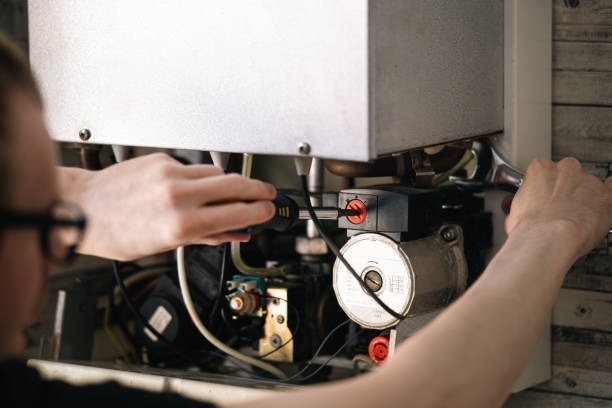
When leaks are connected to heating systems or mechanical spaces, Omnia’s Boilers and heating team can help determine whether the issue is equipment-related, piping-related, or control-related.
After the First 10 Minutes: The Next 3 Steps That Prevent Repeat Damage
1. Dry and ventilate quickly
Standing water and saturated materials are what turn a repair into a restoration project.
2. Do not re-energize wet equipment without guidance
If electrical equipment got wet, treat it as unsafe until evaluated. The CDC notes that wet building materials can create health risks like mold, even after the visible leak is stopped.
3. Schedule a follow-up inspection
A “fixed” leak can still leave weakened connections, hidden moisture, or repeat risk. Omnia’s Maintenance teams help reduce repeat leak events by identifying weak points early and keeping systems on a predictable service rhythm.
Fast, Safe Triage Saves Buildings
Leaks feel chaotic because they move quickly and rarely stay where they started. A simple, repeatable triage plan keeps responses consistent:
Safety → shutoff → containment → documentation → escalation.
The goal isn’t perfection. It’s preventing a small leak from becoming a multi-floor incident.
If your NYC building is dealing with recurring leaks or you want a clear plan before the next after-hours water emergency, contact Omnia Mechanical Group to schedule a site visit and tighten up your plumbing and mechanical reliability before small issues become big ones.