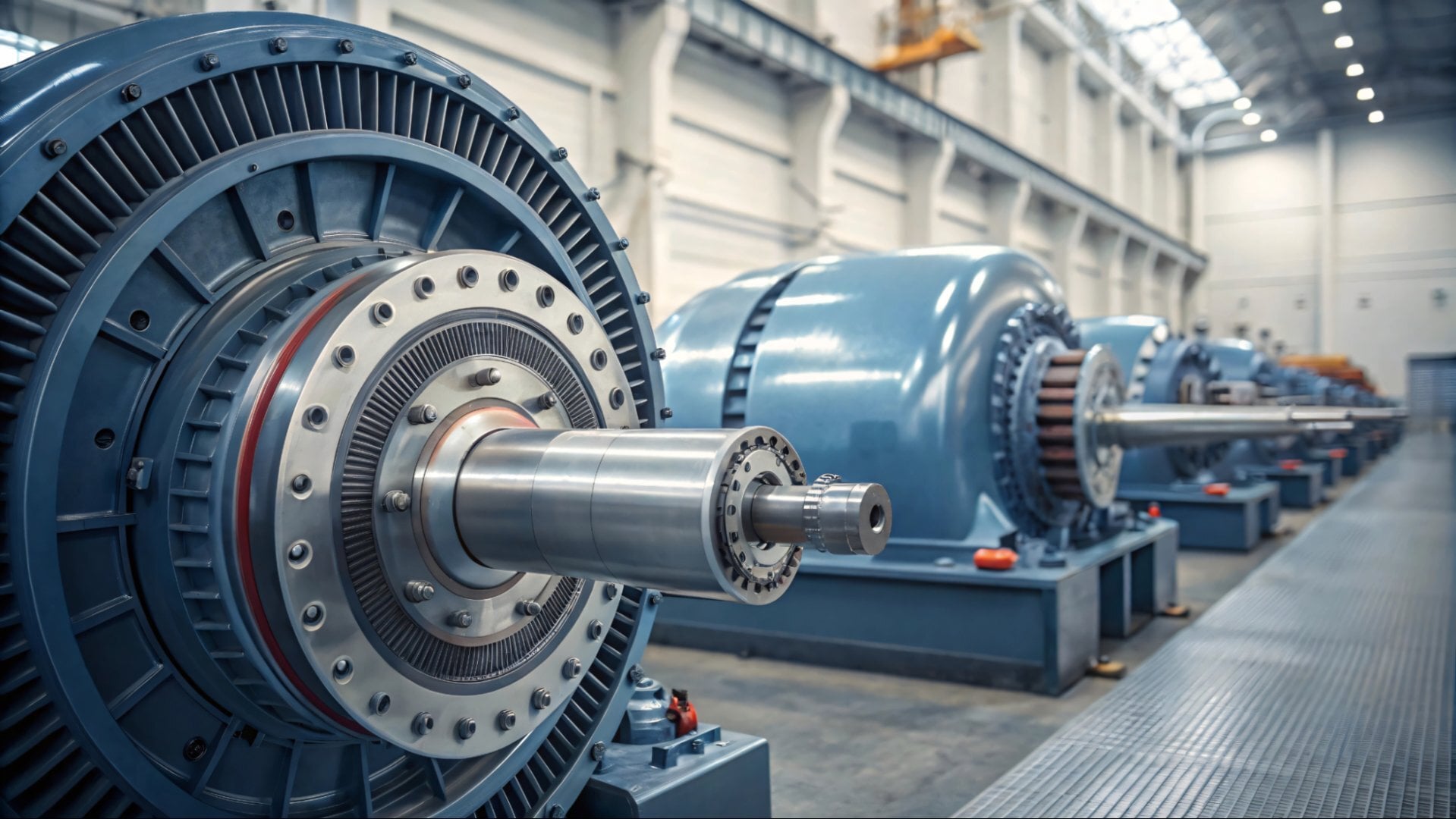
An overheating motor rarely fails without warning. The booster pump that trips its overload on a hot afternoon, the exhaust fan that smells faintly of varnish, the circulator that hums louder every week: each one is a motor telling the building team it is running hotter than it was designed to.
When electric motors overheat, heat is almost always the symptom, not the cause. Something is making the motor work harder, starving it of cooling, or feeding it bad power. Find that cause early and you are scheduling a repair. Miss it and you are calling for an emergency replacement while tenants wait for water pressure or ventilation.
Here is what drives motor overheating in NYC buildings, the warning signs your super can catch on a routine walk-through, and when to bring in a professional.
Our pump, motor, and fan team services the motors behind a building's water pressure, heating circulation, and ventilation, with roots in the Antler Electric Motors legacy that New York property managers have relied on for decades.
Quick Answer: Why Do Electric Motors Overheat?
Electric motors overheat when they produce more heat than they can shed. In building systems, the most common causes are:
- Overload: the driven equipment demands more than the motor is rated for, from a clogged pump, a worn bearing, or a fan fighting a blocked duct
- Poor power quality: low voltage, high voltage, or unbalanced voltage between phases
- Lost phase: a three-phase motor running on two phases overheats quickly
- Blocked cooling: dirt, debris, or a hot, unventilated mechanical room
- Too many starts: short cycling that never lets the motor cool
- Mechanical wear: failing bearings, misalignment, or bad belt tension adding drag
Most of these build gradually, which is why routine checks catch them.
The Motors Your Building Depends On
A typical NYC multifamily or commercial building runs more motors than most people realize. Domestic water booster pumps keep upper floors supplied. Circulators and condensate or boiler feed pumps keep heat moving. Exhaust and supply fans handle ventilation for kitchens, bathrooms, garages, and corridors. Sewage ejectors and sump pumps run in cellars. Many of these run around the clock, and several run harder in winter than at any other time of year.
That workload is why motor problems in older buildings tend to show up in October and November. Heating-season pumps go from idle to continuous duty, and any weakness that was tolerable in summer becomes heat.
What Causes Motors to Run Hot
The Load Is Too High
A motor is sized for a specific job. When the equipment it drives gets harder to turn, the motor draws more current and generates more heat. In pumps, that can be a partially clogged impeller, a stuck check valve, or a pump running far off its design point. In fans, it can be a slipping or overtightened belt, a damaged wheel, or dampers that changed position. The motor is doing exactly what it should; it is just being asked to do too much.
The Power Feeding It Is Off
Motors are sensitive to the quality of their power. Voltage that runs too high or too low increases heat, and on three-phase motors, even a small imbalance between phases can raise winding temperature significantly. The U.S. Department of Energy's motor systems guidance on voltage unbalance identifies it as a common and often overlooked source of motor heating and lost efficiency. Loose connections, a failing contactor, or a blown fuse on one leg can cause the same problem from inside the building.
It Cannot Cool Itself
Most building motors cool by moving air across their housing. Lint and dust packed into cooling fins, a fan cover clogged with debris, or a mechanical room that runs hot all summer all reduce that cooling. Motors running on variable frequency drives at low speeds can also lose cooling airflow if the setup does not account for it.
It Starts and Stops Too Often
Every start draws a surge of current and adds heat. A booster pump short cycling because of a failing pressure tank or a faulty control setting may start dozens of times an hour, never getting a chance to cool between runs.
The Bearings Are Wearing Out
Dry, contaminated, or failing bearings add friction, friction becomes heat, and the heat accelerates the bearing failure. Misalignment between motor and pump does the same thing more slowly.
Catch it before it trips
Is a pump or fan motor running hotter than it should?
Omnia's pump, motor, and fan team can diagnose the cause, whether it is the load, the power, or the motor itself, and fix it before it becomes an outage. Our plumbing, electrical, and mechanical teams work together, so the diagnosis does not stop at the motor.
Request ServiceWarning Signs Your Building Team Can Catch Early
None of these require opening equipment or touching live parts. They are observations a super or porter can make on a routine mechanical room walk-through and log for follow-up.
- A burning or hot varnish smell near a motor or its controller
- Tripped overloads or breakers, especially if the same motor trips repeatedly
- New or louder noise: humming, growling, grinding, or a high-pitched whine
- More vibration than usual, felt in the floor or visible in the piping
- Discolored paint or residue on the motor housing or terminal box
- Equipment that runs longer than normal to do the same job, like a booster pump that never shuts off
- Short cycling, where a pump or fan turns on and off in rapid succession
Write down which motor, what you noticed, and when. A pattern across a few days is far more useful to a technician than a single report.
One caution: a motor running hot enough to worry about can be hot enough to burn skin, and motor terminals and controllers carry dangerous voltage. Observe, do not touch. If you see smoke or flame, or smell burning that is getting stronger, keep people clear and call 911.
What a Professional Check Looks Like
When a technician evaluates an overheating motor, the goal is to find the cause, not just replace the part that failed. A proper diagnosis typically covers current draw compared to the motor's nameplate rating, voltage and balance across phases, the condition of connections and starters, bearing condition, alignment and belt tension, and the health of the driven pump or fan. An infrared scan can show hot spots in motors, connections, and controllers before they fail, which our earlier post on what an IR scan can catch early explains in more detail.
All of this work is done with the equipment properly isolated under lockout/tagout procedures, which OSHA's hazardous energy control standard requires for good reason. This is not a do-it-yourself job.
Repair, Rewind, or Replace?
Once the cause is known, the decision usually comes down to the motor's age, size, and condition. A motor that overheated because of a clogged pump may only need the pump fixed and the motor tested. A motor with damaged windings may be worth rewinding if it is large or hard to source, while a small, older motor is often better replaced, sometimes with a more efficient model. The right answer also depends on how critical the equipment is and how much downtime the building can tolerate.
Keep Your Building's Motors Running Cool
Motor failures are among the most preventable outages in a building, because the warning signs show up weeks before the failure. The challenge is that motors sit at the intersection of trades: the pump is plumbing, the power is electrical, the controls are mechanical. When each is handled by a different vendor, the cause of the heat can fall between them.
Omnia brings plumbing, heating, electrical, and pumps, motors, and fans under one accountable partner, so the team that diagnoses the motor can also fix whatever is making it work too hard. If a motor in your building is showing any of the signs above, or you want motors added to a routine maintenance plan, we can help. See how motors fit into a building-wide picture in what causes pump failures in NYC apartment buildings.
All systems, one solution. Serving NYC & Westchester since 1929.
Keep your pumps and fans running before the motor gives out.
From booster pumps to exhaust fans, Omnia diagnoses and services building motors alongside your plumbing, heating, electrical, and boilers, all under one accountable partner. Request service or ask about adding motors to an Omnia+ maintenance plan.
Request Service