Late summer is when a building's plumbing and heating systems quietly start showing the wear they picked up all season. Domestic hot water demand runs high through a heat wave, risers and mixing valves work harder to keep temperature balanced across floors, and a boiler that's been recovering constantly finally starts to lag. None of it fails all at once. It shows up as small, disconnected complaints that look unrelated until they aren't.
The property managers who get ahead of fall are the ones who read those small complaints as a system, not a coincidence. Inconsistent hot water on one line, a slow recovery time, a valve that's started to weep: taken together, they're usually the same seasonal stress showing up in different apartments.
Here's what tends to surface in NYC building plumbing and heating systems this time of year, why it happens now, what a practical late-summer check actually covers, and what it costs a building to skip it. Omnia's plumbing and heating team services these systems across New York City multifamily and commercial buildings as part of one coordinated team.
Quick Answer: What Plumbing and Heating Issues Show Up in NYC Buildings in Late Summer?
Late summer is the point where a building's plumbing and heating systems have absorbed a full season of peak demand. Common patterns include:
- Domestic hot water systems showing slower recovery or inconsistent temperature after months of heavy demand
- Mixing valves and circulators starting to lose capacity, showing up as uneven heat between apartments or floors
- Minor leaks or weeping fittings that were fine under normal pressure but start showing under sustained summer usage
- Riser pressure inconsistencies, especially on upper floors, as the whole system works harder in the heat
None of these are emergencies on their own. Left unaddressed into the fall, they tend to become one.
Why These Issues Show Up Now
A boiler and its connected plumbing don't operate in isolation. Heavy domestic hot water demand through the summer keeps the system running near its capacity for months at a stretch, and that's exactly when a marginal valve, pump, or seal tends to reveal itself.
It's also why a complaint that seems like "just a plumbing issue" often traces back to the boiler or a shared riser. A super clearing a slow drain in one apartment might actually be looking at the downstream effect of a pressure imbalance three floors up.
This matters more in NYC specifically because building owners are legally required to maintain hot water at a minimum of 120°F, 365 days a year, regardless of season. A system that's been running marginal all summer has less headroom heading into heat season, when the same equipment also has to meet the city's indoor temperature standards.
What to Walk Through Before Fall
A useful late-summer check looks for the same handful of signs across the plumbing and heating system:
- Longer recovery times or inconsistent hot water on any line
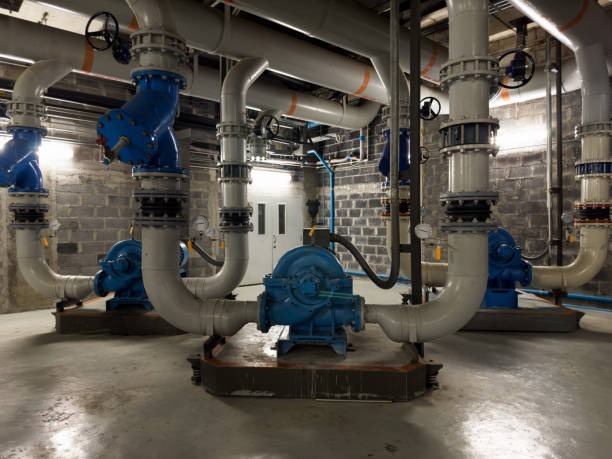
- Weeping valves, fittings, or visible corrosion in mechanical rooms
- Uneven heat between apartments once the weather starts to turn
- Pressure complaints on upper floors that weren't there earlier in the season
None of these require a full system teardown to check. A technician can typically walk a mechanical room and a sample of affected apartments in a single visit and get a clear read on what's wear-and-tear versus what's an early warning sign.
One accountable partner
A small plumbing or heating symptom now is easier to fix than an October emergency.
Omnia's licensed team evaluates plumbing, heating, and the systems they connect to, so the small warning signs get caught before they compound into a bigger repair. Request a site visit before the fall crunch hits.
Request a Site VisitWhat Happens If These Signs Go Unaddressed
A weeping valve or a slow recovery time rarely stays a small problem once heating season adds load back onto the system. A minor leak that's been fine all summer can turn into a real one once pressure and temperature swings increase in the fall. A circulator that's already lost some capacity has less room to compensate once every apartment on the line is calling for heat at the same time.
The cost of waiting isn't just the eventual repair. It's the tenant complaints that pile up in the meantime, the emergency service call that costs more than a scheduled one, and the risk of a heat or hot water violation if the system can't keep up once the weather turns. Catching these signs in August is almost always the cheaper, calmer option.
Repair Now, or Plan for the Season Ahead
Not every finding needs immediate work. A valve that's just starting to weep or a circulator that's lost a little capacity can often be scheduled for a planned repair rather than an emergency one, especially if it's caught in August instead of during the first cold snap.
The value of a late-summer check is that it turns "we'll deal with it when it fails" into a decision a property manager actually gets to make, on a timeline that works for the building and the budget.
Build the Late-Summer Walk-Through Into Your Routine
Treat late summer as a standing checkpoint, not a one-off. Buildings that fold it into a maintenance plan tend to head into heating season with fewer surprises and a much shorter emergency-call list once the weather turns. It also keeps a clean record on file, which matters if a board or an agency ever asks what was checked and when.
One Partner for Plumbing, Heating, and Everything They Touch
A plumbing or heating symptom rarely stays isolated. A weak riser can read as a pressure complaint, a slow boiler recovery can read as a heating complaint, and both can trace back to the same root cause.
When the same licensed team handles all of it, a late-summer check addresses the whole system instead of one symptom at a time, and nothing falls into the gap between a plumber and a heating contractor who each only see their own piece. That's the coordination a single point of accountability is supposed to provide.
All systems, one solution. Serving NYC & Westchester since 1929.
Get ahead of fall before it gets ahead of you.
From plumbing and heating to boilers, electrical, and pumps, Omnia's licensed team evaluates every system as one connected picture. Explore Omnia+ for year-round coverage across your whole building.
Explore Omnia+