In NYC buildings, a summer plumbing leak can move fast, traveling through ceilings, walls, risers, mechanical rooms, and occupied spaces before anyone pins down the source. Warm weather makes matters worse, too, since humidity, odors, and damp materials can deteriorate quickly once the temperature climbs.
This guide is not a plumbing repair checklist. It is here to help property teams document the right details first, cut down on confusion, and recognize when to call qualified service.
As a starting point, the NYC DEP notes that leaks and burst pipes can become costly, and that property owners are responsible for the water service line connecting the property to the city water main. Their guidance is a useful reminder of why leak reports should be documented and addressed early.
First: What Kind of Leak Was Reported?
Property managers and building staff do not need to diagnose the full plumbing issue before calling service. The better first step is simply to record what was reported:
- ceiling drip
- active stream
- wet wall or bubbling paint
- water near a riser, valve, or mechanical room
- toilet overflow or drain backup
- radiator or heating-system leak
- damp odor or recurring moisture
Note whether the leak looks active, slowing, stopped, or intermittent. And if water is anywhere near electrical equipment, outlets, elevator areas, or building controls, treat it as urgent and escalate right away.
If your building is dealing with an active leak, a recurring water issue, or a plumbing concern affecting multiple spaces, our plumbing services page explains how we support NYC building systems.
What to Document First
A simple property manager leak checklist lets building staff capture useful details fast. Try to record:
- Building address
- Unit, floor, room, line, or common area affected
- Time first reported
- Who reported it: tenant, staff, security, vendor, or a neighboring unit
- What was visible: stain, drip, active flow, bubbling paint, standing water, or odor
- Whether the source is visible or unknown
- Whether nearby spaces above, below, or next door were checked
- Whether electrical rooms, elevators, mechanical rooms, or finished spaces are nearby
- Safe photos or short videos, if available
Good plumbing leak documentation gives qualified service a clearer starting point. The goal is not to solve the leak from the office, but to set up a faster response.
When leaks disrupt building operations, our servicing focuses on fast response, clear communication, and coordinated next steps.
Why Summer Leaks Can Create Bigger Building Issues
Summer leaks are harder to ignore because warm, humid conditions make damp areas, odors, and damaged materials worse more quickly. Even a slow leak deserves a written record if it shows up in the same area more than once.
This is also where water damage prevention crosses into health and building concerns. The CDC notes that what needs to be done after water damage depends on the amount of water and where mold is growing, which is exactly why moisture issues should not be left undocumented. The practical takeaway for a building super's leak response is to log repeat moisture complaints even when each one seems minor on its own.
When to Treat a Leak as Urgent
Some leaks call for immediate escalation rather than a wait-and-see approach. Treat it as urgent if:
- water is actively flowing or spreading
- water is coming through a ceiling or wall
- multiple units, floors, or common areas are affected
- the source is not visible
- water is near electrical equipment, outlets, panels, elevators, or controls
- wastewater, sewage odor, or a drain backup is involved
- a pump room, boiler room, riser, or mechanical space is affected
- the same leak or moisture complaint keeps returning
- staff are unsure whether the area is safe
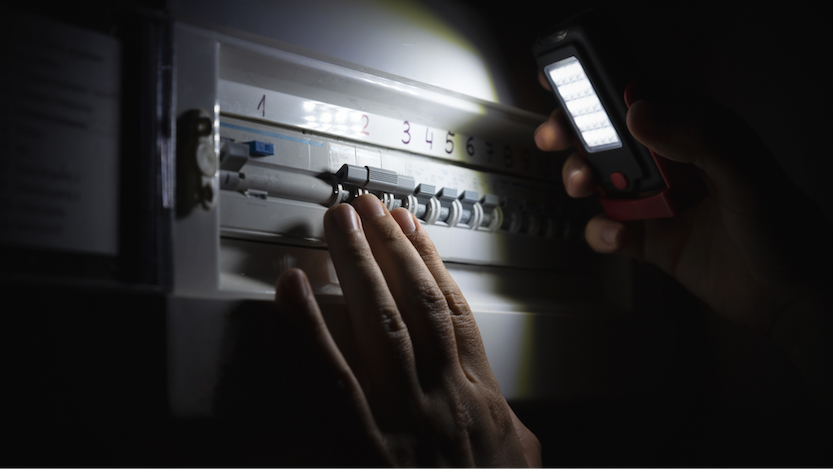
When water and electricity are anywhere near each other, that caution matters most. If water reaches outlets, panels, controls, or electrical rooms, our Electrical services page is a helpful resource to get started on working with Omnia.
Why Plumbing Leaks Often Involve More Than Plumbing
A leak may start as a plumbing problem, but its impact on the building can cross several systems at once. A single leak can involve:
- plumbing, if piping, fixtures, drains, or risers are involved
- electrical, if water reaches outlets, panels, or controls
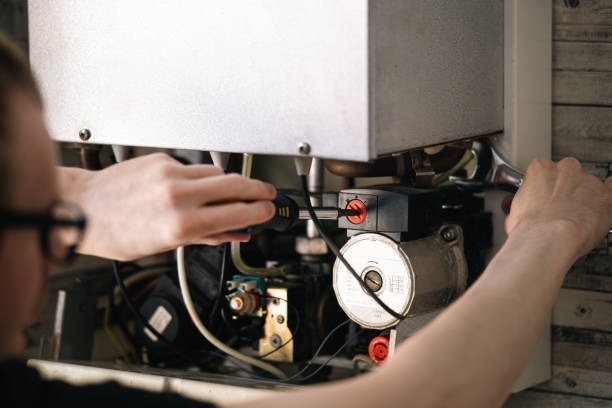
- boilers, if the leak is tied to heating equipment or mechanical piping
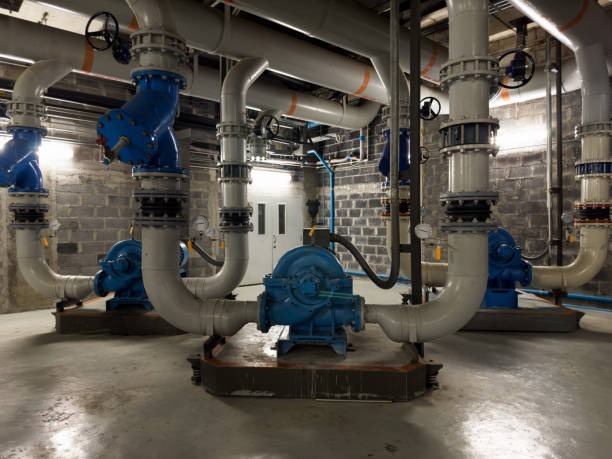
- pumps and fans, if pump rooms, condensate, booster systems, or ventilation areas are affected
- compliance, if repair documentation, permits, or closeout records are needed
There is a compliance dimension here as well. NYC DOB explains that the Plumbing Code regulates the installation, maintenance, repair, modification, extension, or alteration of waste, domestic water, gas piping, and fire standpipes in buildings, and that certain plumbing work requires permits and inspections. Building teams should avoid unauthorized work and bring in the right professionals when repairs may require permits.
If a leak appears connected to heating equipment, boiler rooms, or mechanical piping, our boilers services help NYC building heating systems. And if a leak affects pump rooms, booster systems, fans, or other mechanical equipment, our Pumps, Motors & Fans servicing explains how we support those connected systems.
What Building Staff Should Avoid
A calm, effective response also means knowing what not to do:
- Do not assume a small ceiling stain means the issue is over.
- Do not ignore repeated moisture complaints from the same line, floor, or area.
- Do not send staff into standing water near electrical equipment.
- Do not make plumbing repairs beyond building protocol or authorized staff responsibilities.
- Do not rely only on text messages or verbal updates, since written notes help management, ownership, insurance, and service teams understand what happened.
- Do not wait for a small leak to become a multi-floor issue before calling service.
When It's Time to Bring in Omnia
The right time to bring in qualified service is when a leak is active, recurring, hidden, spreading, or affecting more than one system. A ceiling leak in an NYC apartment building rarely stays contained to a single trade.
We can help NYC property teams coordinate plumbing service with electrical, boilers, pumps, maintenance, and compliance needs whenever the situation calls for it. For portfolios, repeated leak reports should be added to the building's incident history so patterns are easier to catch.
Maintenance approach supports planned service and organized follow-up, and our Compliance approach helps property teams keep building requirements on track.
Good Leak Notes Help Stop the Guessing
Summer plumbing leaks can move quickly, especially when water travels through walls, ceilings, risers, and mechanical spaces. Property teams do not need to diagnose the leak before calling service. They need to document what happened, where it showed up, which areas are affected, and whether other building systems may be involved.
Clear notes help qualified service respond faster, and they help property managers keep ownership, tenants, and staff aligned. If your NYC building is dealing with an active leak, a recurring moisture issue, a ceiling drip, a drain backup, or water near critical building systems, contact Omnia Mechanical Group to schedule service.