
Mid-year is a good moment for NYC property teams to pause and take stock: what has been completed, what is scheduled, and what still needs documentation. Catching gaps now, while there is time to act, is far easier than scrambling when deadlines stack up later in the year.
This NYC building compliance check covers boiler inspections and registrations, backflow testing, Fire Department testing, plumbing permits, and electrical permits. It is not a full compliance manual. It is a practical, mid-year compliance checklist to help property managers spot gaps, organize next steps, and bring in qualified support before missing records or looming deadlines create problems.
Start With a Simple Status Check
Before digging into any single system, build one quick status list for every property. For each item, track:
- what is due this year
- what has already been scheduled
- what has been completed
- what still needs filing, confirmation, or closeout
- where proof is stored
- who owns the next step
That last point matters more than it seems. A task without a clear owner is the one that slips. If your building needs a more organized way to track inspections, filings, permits, and closeout records, our Compliance helps keep requirements easier to manage across NYC properties.
Boilers: Confirm Inspections, Reports, and Follow-Ups
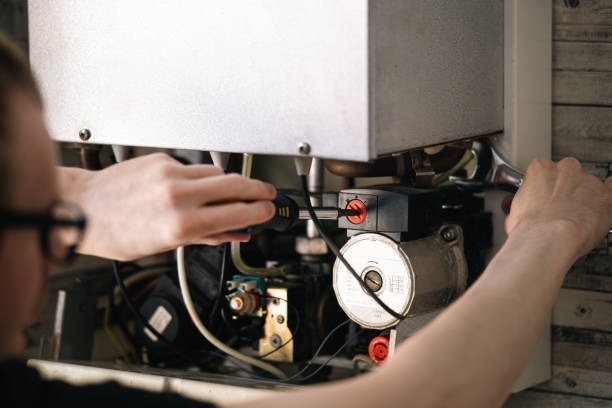
For boiler compliance, the goal is planning and paperwork, not technical work. Property teams should confirm:
- which boilers are in scope
- whether annual inspection timing is scheduled or completed
- whether any open items still need follow-up
- whether the boiler room access plan is current
The NYC DOB states that property owners are responsible for hiring a qualified professional to conduct low-pressure boiler inspections, and that those inspections can only be performed by installers licensed by DOB or by an authorized boiler insurance company.
If your team is tracking DOB boiler inspections, recurring shutdowns, or heat-season readiness, our Boiler servicing supports NYC buildings year-round.
Backflow: Make Sure Annual Testing Is Not Sitting in Someone's Inbox
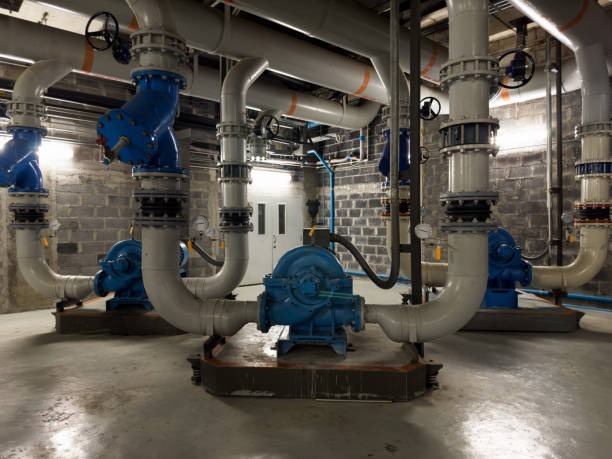
Backflow testing is one of those items that is easy to assume is handled, right up until someone asks for the report. For backflow prevention, confirm:
- which buildings have backflow devices
- how many devices are on-site
- whether annual testing is scheduled or completed
- whether the report copy is saved
- whether any follow-up is still open
The property manager's role here is scheduling, access coordination, and collecting documentation, not performing or managing the technical RPZ testing itself. NYC DEP explains on their FAQ page that backflow prevention devices help keep contaminated water or chemicals from flowing back into the public drinking water supply, and that certain properties are legally required to install and operate them.
Permits: Check What Was Opened, Closed, or Still Needs Proof
Mid-year is also the right time to revisit work completed earlier in the year and make sure the paperwork did not stall halfway. You do not need to file or interpret permits yourself, but you should know what is open, what is closed, and where the proof lives. Check for:
- open plumbing permits
- open electrical permits
- completed work still waiting on closeout
- vendor updates that never turned into saved proof
- permits tied to emergency repairs or small projects
- whether DOB NOW records match your internal notes
The aim is simply to verify status and bring in the right professionals when something is missing. NYC DOB notes that owners and people performing plumbing work without the required permits may face violations, penalties, court appearances, and civil or criminal penalties, which is laid out in their plumbing permit guidance.
If plumbing work, repairs, or permit-related documentation need to be coordinated, our Plumbing services and our Electrical services are the perfect place to start.
Look for Repeat Issues Before They Become Compliance Problems
Compliance gaps often reveal themselves through repeat operational issues. When the same problem keeps coming back, the building usually needs more than another one-off service call. As part of your mid-year review, look at whether the building has seen:
- recurring boiler lockouts
- repeated leaks
- backflow notices or missing reports
- electrical trips, flickering, or partial power
- pump or fan alarms
- emergency repairs that created paperwork follow-up
The point is not to diagnose the underlying issue. It is to flag patterns that may need qualified review before they turn into bigger documentation, permit, or reliability problems. Our Maintenance services support planned service and organized documentation across building systems.
What Property Teams Should Avoid
A few habits cause most mid-year compliance headaches:
- Do not wait until fall or winter to look for missing boiler documentation.
- Do not assume backflow testing is complete unless the report copy is saved.
- Do not let permit updates live only in vendor texts or email threads.
- Do not treat recurring emergency repairs as isolated events if they keep happening in the same system.
- Do not guess at compliance status when qualified support can help verify what is open, closed, or missing.
When It's Time to Bring in Omnia
It is worth bringing in qualified help when inspection timing is unclear, boiler documentation is missing, backflow testing needs scheduling, plumbing or electrical permit follow-up is uncertain, or multiple buildings need a more repeatable process.
For portfolios, Omnia+ can help property teams move from scattered reminders to a more organized rhythm for compliance tracking, maintenance planning, and documentation across the systems your buildings rely on.
A Mid-Year Check Makes the Rest of the Year Easier
NYC building compliance is far easier to manage when property teams check their status before deadlines start stacking up. A mid-year review helps catch missing boiler records, backflow testing gaps, open permits, and recurring issues that quietly need attention.
The best next step is not guessing. It is getting the right team involved while there is still time to organize the work, the records, and the follow-up.
Need help reviewing boiler documentation, scheduling backflow testing, checking permit follow-up, or building a more organized compliance plan? Contact Omnia Mechanical Group in New York City to schedule service.