
Summer outages disrupt far more than lights. A power loss can affect elevators, access systems, pumps, fans, cooling equipment, building controls, and even tenant communication, all at the worst possible time of year. For NYC building teams, the goal during an outage is not to diagnose electrical problems on the spot.
The goal is to prepare before one happens, document what changed, and recognize when a utility issue may actually require building-side service support. A little planning now makes the difference between a calm response and a scramble. NYC Emergency Management's utility disruption guidance is a helpful baseline for teams preparing for power, water, gas, or phone service interruptions.
Start With the Systems Most Likely to Be Affected
Before summer heat peaks, building managers should know which systems get harder to operate during an outage or a partial power issue. A simple list helps:
- elevators
- access control and security systems
- pumps and booster systems
- fans and ventilation equipment
- boiler controls or domestic hot water controls
- fire and life safety monitoring systems
- lighting in common areas and stairwells
- tenant-facing spaces like lobbies, amenity rooms, and commercial areas
The point is not to test or repair everything yourself. It is to know what could be affected so you can communicate clearly the moment power drops, which is the foundation of good backup power planning.
If your building needs support with electrical issues, partial power, panels, lighting, or controls, our Electrical page explains how we support NYC properties.
Create a Summer Outage Contact Sheet
A contact sheet only helps if it is easy to find and current before an emergency, not assembled in the dark during one. Keep it updated and include:
- property manager
- superintendent
- building engineer
- ownership or board contact
- utility provider
- elevator company
- fire alarm or monitoring company
- access and security vendor
- mechanical service contact
- electrical service contact
For the utility side, Con Edison's outage reporting page is the official place to report a power outage or service issue, including partial power, dim lights, and flickering lights, and to receive updates.
What to Document During an Outage
When an outage hits, clean notes help everyone move faster. Try to log:
- time of first report
- whether it is a full outage or partial power
- floors, units, common areas, or systems affected
- whether lights are flickering, dimming, or unstable
- whether elevators, pumps, fans, access systems, or building controls are impacted
- whether there is a burning smell, buzzing, smoke, water near electrical areas, or repeated trips
- whether the outage was reported to Con Edison
- photos or videos, only if it is safe
Staff should not open panels, investigate electrical rooms, or attempt any work they are not qualified to perform. When outages disrupt building operations, our servicing focuses on fast response, clear communication, and coordinated next steps.
Know the Difference Between a Utility Outage and Building-Side Warning Signs
Property teams do not need to determine the exact cause of an outage, but it helps to recognize when the pattern may point beyond a neighborhood utility issue. A building-side problem may show up as:
- partial power in one area
- repeated flickering in the same zone
- a burning smell or buzzing
- equipment resetting
- breakers tripping repeatedly
- one system failing while others still run
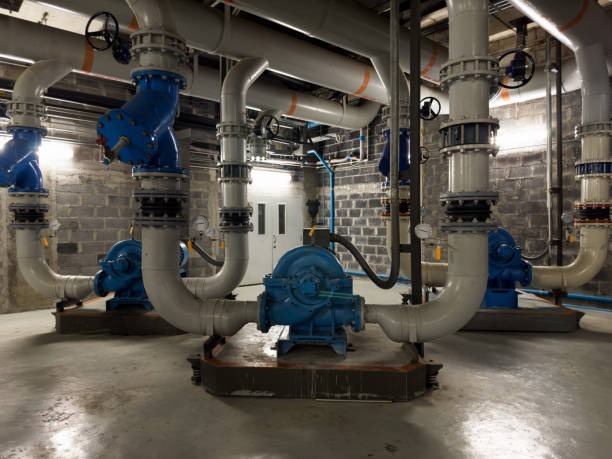
Again, the job is not to diagnose the cause. It is to document the pattern, confirm the utility status, and call qualified service when the warning signs point inside the building. If an outage affects pumps, fans, motors, or pressure-related equipment, our Pumps, Motors & Fans service can get it back to performance standards.
What Building Staff Should Avoid
A safe outage response also means knowing what not to do:
- Do not repeatedly reset breakers or equipment to keep systems running.
- Do not use temporary power workarounds without qualified review.
- Do not open panels, remove covers, or enter unsafe electrical spaces.
- Do not ignore partial power, burning smells, buzzing, smoke, or water near electrical equipment.
- Do not wait until the outage is over to write down what happened.
Compliance matters here too. NYC DOB explains that most electrical work requires permits and licensed electrical contractors, which is why unauthorized fixes can create bigger problems. Their electrical permit guidance is a good reminder to avoid improvised electrical work during an outage.
After Power Returns: What to Check Before Calling It "Done"
Power coming back on does not always mean every system returned to normal. Once service is restored, property teams should document what came back, what stayed offline, and what still needs follow-up. Record:
- what systems came back normally
- what systems stayed offline
- whether alarms, pumps, fans, access systems, elevators, or controls needed attention
- whether tenants reported repeat flicker or equipment resets
- whether service was called or still needs to be scheduled
This is where maintenance planning earns its keep. A single outage can reveal weak points that should not be left alone until the next heat wave. If your building needs fewer repeat disruptions and better follow-up after outages, our Maintenance supports planned service and organized documentation.
When It's Time to Bring in Omnia
The right time to call qualified service is when an outage involves partial power, recurring flicker, repeated breaker trips, burning smells, affected pumps or fans, equipment resets, or building systems that simply do not return to normal.
We can help NYC property teams coordinate electrical response with pumps, fans, maintenance, and compliance needs when the situation crosses systems. For portfolios, outage history should be logged so repeat patterns are easier to catch before they grow into larger disruptions.
Portfolio needs a more organized rhythm for outage planning, maintenance, and documentation? Omnia+ helps coordinate recurring service across the systems your buildings rely on.
The Best Outage Response Starts Before the Lights Go Out
Summer outages are stressful, but a prepared building team can respond with far less confusion. The right plan is simple: know which systems matter most, keep your contacts updated, document what happened, and call qualified service when warning signs point beyond a utility issue.
Clear notes and fast escalation help protect building operations when power problems affect more than just the lights. If your NYC building needs help preparing for summer outages, partial power issues, flickering lights, or equipment disruptions, contact Omnia Mechanical Group to schedule service.