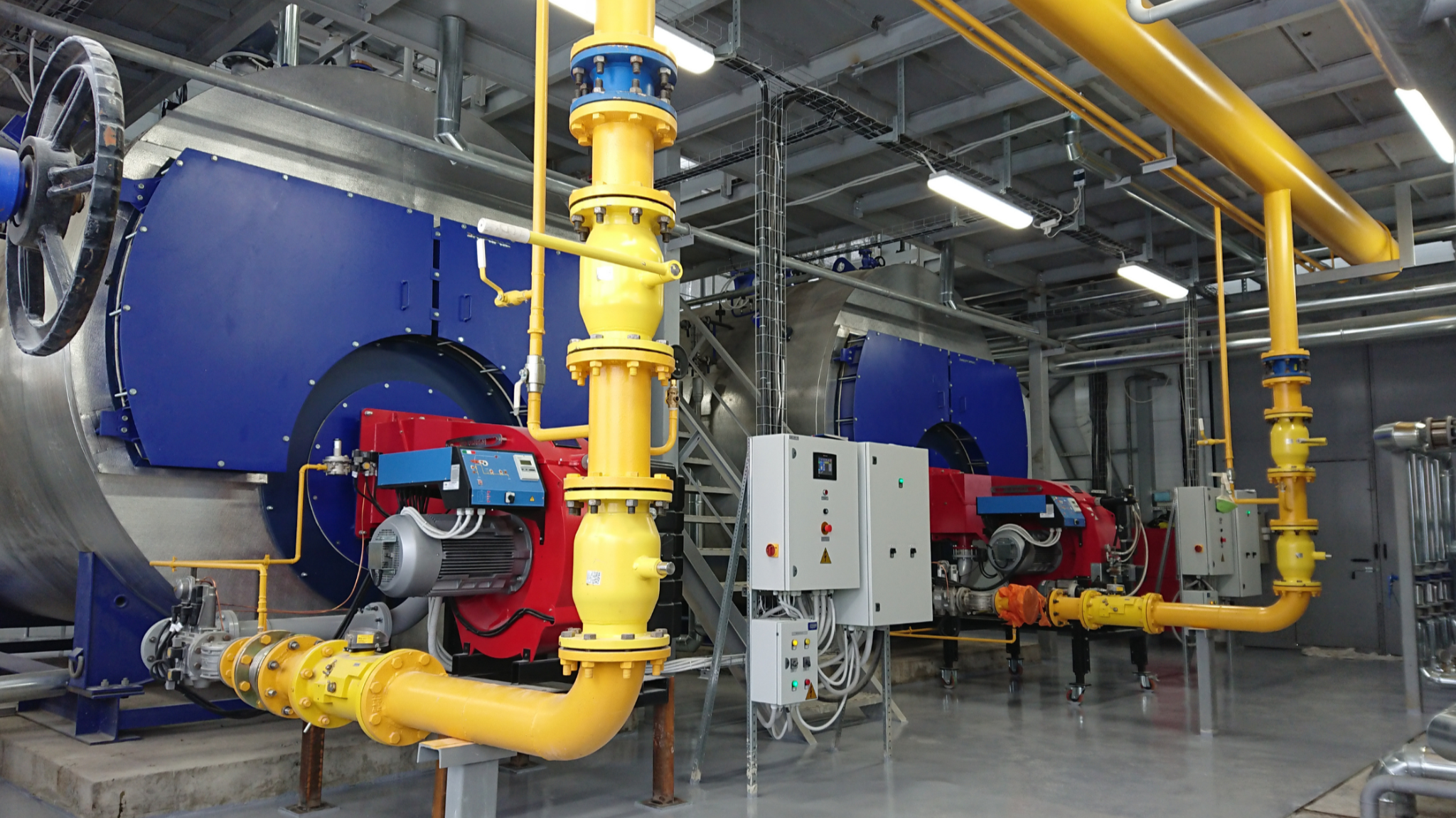

Heat season starts October 1 whether a building is ready or not.
For property managers, the challenge is not simply getting the boiler to fire. It is making sure heat actually reaches the apartments that depend on it, including the floors, lines, and units that have struggled in past seasons.
NYC heat season runs October 1 through May 31, and the requirements are based on the temperature inside apartments. That means a boiler can be operating while individual units still fall below the required temperature because of a distribution, control, or other system issue.
Here is what NYC heat season requires, what building teams should pay attention to before colder weather arrives, and what to document from day one. Omnia's plumbing and heating team services heating and domestic hot water systems across NYC multifamily and commercial buildings as one coordinated group.
Quick Answer: What Does NYC Heat Season Require?
HPD sets minimum temperature requirements for residential buildings during heat season:
- Heat season runs October 1 through May 31
- Daytime, 6:00 a.m. to 10:00 p.m.: when the outdoor temperature is below 55 degrees, indoor temperature must be at least 68 degrees
- Overnight, 10:00 p.m. to 6:00 a.m.: indoor temperature must be at least 62 degrees, regardless of the outdoor temperature
- Hot water, year-round: must be provided 365 days a year at a constant minimum of 120 degrees
Before October 1, building teams should also confirm that the heating system is operating as expected, pay particular attention to areas with a history of complaints, review controls and recent system work, and establish a process for documenting heat and hot water issues once the season begins.
The daytime requirement is conditional on the outdoor temperature. The overnight requirement is not. Hot water is not seasonal at all. Confirm current requirements, the complaint process, and enforcement details with NYC Housing Preservation and Development.
The Rules Measure Apartments, Not Boilers
This distinction matters because producing heat and delivering heat are not the same thing.
A boiler may be operating normally while a distribution or control issue keeps part of the building from reaching the required temperature. That is why a preseason check should go beyond confirming that the equipment turns on.
Pay particular attention to the areas that have historically struggled during cold weather. A recurring complaint from the same floor, line, or group of apartments can provide useful information about where the system needs a closer look.
The goal is not for building staff to diagnose the cause themselves. It is to identify patterns early enough that a qualified service team can evaluate them before they become recurring heat-season complaints.
The System Behind the Thermostat
When heat is being produced but not reaching every part of the building consistently, the issue may be somewhere between the boiler and the apartment.
Depending on the building and heating system, that can include:
- Steam traps and air vents. Problems with steam distribution can leave certain risers or apartments consistently colder than others.
- Circulators and zone valves. Hot water systems rely on proper circulation to move heat throughout the building.
- Controls and outdoor sensors. Incorrect readings or settings can affect how the system responds as outdoor temperatures change.
- Changes after summer work. Valve work, riser work, renovations, or other system changes may affect how heat is distributed once the system is back under load.
- Distribution piping and insulation. Conditions elsewhere in the system can affect how efficiently heat reaches occupied areas.
These possibilities are exactly why recurring heat complaints deserve a whole-system evaluation rather than an assumption that the boiler itself is the problem.
Start the System Before You Need It
One of the most useful things a NYC building can do before colder weather arrives is run the heating system and pay attention to how it performs throughout the building.
A controlled preseason startup gives building staff an opportunity to spot unusual conditions before the system is responding to sustained cold weather and tenant demand. If something does not look, sound, or perform as expected, there is still time to have it evaluated on a planned schedule rather than discovering the issue during the first cold stretch of the season.
During a preseason check, pay particular attention to:
- Floors, lines, or apartments that generated recurring complaints last season
- Domestic hot water performance in different areas of the building
- Radiators or convectors in historically colder areas
- Control and sensor operation
- Zones or risers affected by recent repairs, renovations, or other summer work
The purpose is not to turn building staff into heating technicians. It is to surface unusual conditions while there is still time to have them professionally evaluated before colder weather puts the system under greater demand.
One accountable partner
Uneven heat or unreliable hot water? Find out what's behind it.
A problem in one part of your building can point to an issue elsewhere. Omnia brings plumbing, heating, and boiler expertise together to help identify the cause and recommend the next steps. Tell us what you're noticing and request a site visit.
Request a Site VisitDocumentation Is Half of Heat Season
When heat or hot water complaints come in, clear records make it much easier to understand what happened, how the building responded, and whether the same issue is beginning to repeat.
A useful log can include the date of the complaint, apartment or location, reported condition, action taken, service performed, and resolution date. If several complaints begin appearing in the same area of the building, that history also gives the service team useful context when evaluating the system.
Consistent documentation is especially valuable if HPD becomes involved, because the building has a clear record of reported conditions and the steps taken in response.
Building that process into a standing servicing routine helps make sure the information is captured throughout the season rather than reconstructed later from emails, texts, and service tickets.
Heat and Hot Water Are One Conversation
It is easy to think of October 1 as the start of a heating-only concern, but hot water remains a year-round building requirement. In many properties, the heating and domestic hot water systems also share equipment or interact with some of the same pumps, controls, and mechanical infrastructure.
That makes preseason planning a good time to pay attention to both.
Slow hot water recovery, inconsistent temperatures between floors, recurring complaints during peak-demand periods, or other changes in performance are worth flagging while the building's heating systems are being reviewed.
Looking at heat and hot water together gives the service team a more complete picture of how the building's mechanical systems are performing before winter demand increases.
What This Looks Like Across a Portfolio
For managers overseeing multiple NYC properties, it makes sense to prioritize preseason reviews by building history and operational risk rather than simply working through the portfolio in address order.
Buildings with recurring heat complaints, older distribution systems, or recent work affecting heating risers or controls may deserve attention first. Properties with more consistent performance can follow as the portfolio moves through its seasonal startup schedule.
If your portfolio also includes properties outside New York City, remember that local heating requirements may differ. NYC's heat-season rules apply to properties within the city, so requirements for Westchester or other jurisdictions should be tracked separately.
Go Into Heat Season With the Whole System Checked
A heat complaint can trace back to a boiler, a steam trap, a circulator, a control, an outdoor sensor, or a pump feeding the hot water loop. When separate vendors own separate pieces of that chain, the first week of a cold building is spent watching them rule each other out.
When one licensed team handles all of it, a September walkthrough addresses the whole chain instead of confirming that the boiler is fine while the actual problem sits three floors up. That is what integrated service is for, and heat season is when the difference is most visible.
All systems, one solution. Serving NYC & Westchester since 1929.
Make building maintenance part of the plan.
Stay ahead of heating and hot water problems with planned maintenance. Omnia+ brings proactive care, priority scheduling, and one point of contact to the building systems you choose to cover. Explore the options and find a plan that fits your property.
Explore Omnia+