When some apartments are overheated and others are cold, the boiler gets the blame first. It is the most visible piece of equipment, and turning it up feels like the fastest response. But uneven heat in an NYC building usually means the boiler is making enough heat and the building is not delivering it evenly.
The causes sit in the distribution system, the controls, and the building itself: vents, traps, pumps, piping, sensors, and windows. That is why turning up the boiler often makes the warm apartments hotter while the cold ones stay cold, and why the complaint keeps coming back.
Here is how to read the pattern of complaints, the most common causes beyond the boiler, and what to gather so the first service call finds the real problem.
Omnia's boiler and heating team works on the whole heating system, from the burner to the last radiator, alongside the pumps and controls that move the heat.
Quick Answer: Why Is Heat Uneven in My Building?
Uneven heat usually means the building's heat distribution is out of balance, not that the boiler is too small. Common causes include:
- Steam systems: failed or mismatched air vents, failed steam traps, sagging pipes that trap condensate, or boiler pressure set too high
- Hot water systems: air trapped in the loop, a weak or failed circulator pump, or unbalanced zones and valves
- Controls: a heat timer sensor in the wrong apartment, or settings that do not match how the building actually heats
- The building: drafty windows, uninsulated pipes in cold spaces, or radiators blocked by furniture and covers
The pattern of which apartments are cold, and when, usually points to the cause.
Why Uneven Heat Is an Operational Problem, Not Just a Comfort One
From October 1 through May 31, NYC requires residential buildings to keep apartments at least 68°F during the day when it is below 55°F outside, and at least 62°F overnight regardless of the outdoor temperature, according to the NYC Department of Housing Preservation and Development. Those minimums apply to every apartment, not the building average.
So a building where the top floors are at 80°F and one line of apartments is at 64°F has a real problem, even though the boiler is running hard. The cold apartments generate complaints and potential HPD exposure, while the overheated ones waste fuel and lead tenants to open windows in January, which makes the imbalance worse.
Read the Pattern Before Anyone Touches the Boiler
Where and when the cold shows up is the most useful diagnostic information a building has. Before you call for service, map the complaints:
- Cold on the top floors: in steam buildings, this often points to venting problems or pressure issues that keep steam from reaching the end of the system
- Cold on one riser line, every floor: suggests a problem specific to that riser, such as a failed main vent, a trap, or a pitch or blockage issue in that branch
- Cold at the end of a run or far side of the building: classic distribution imbalance, from venting in steam systems or flow and balancing in hot water systems
- Cold only at certain times: often a controls issue, such as a heat timer cycle that is too short or a sensor reading the wrong space
- One apartment cold, neighbors fine: frequently the radiator itself, its valve or vent, or a blocked or covered radiator
Write down which apartments, which floors, what time of day, and the outdoor temperature when complaints came in. Pull any heat timer or building management system logs you have.
The Usual Suspects Beyond the Boiler
Air Vents and Venting (Steam)
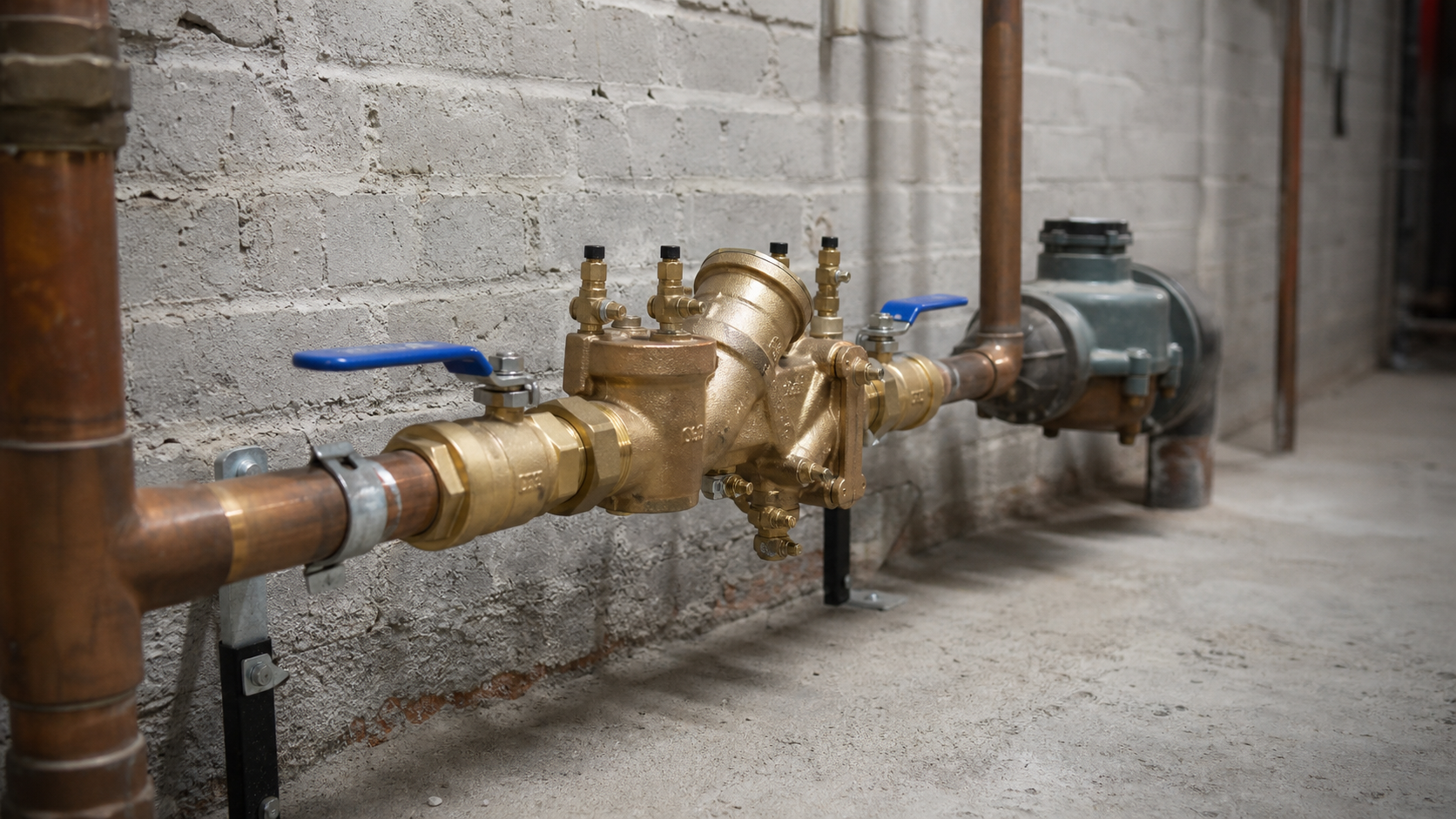
One-pipe steam systems depend on air vents on the mains and radiators to let air out so steam can get in. When main vents fail or radiator vents are mismatched, the radiators closest to the boiler fill first and the far ones barely heat. Proper venting is one of the most effective ways to balance a steam building.
Steam Traps (Two-Pipe Steam)
In two-pipe systems, traps let condensate out of each radiator while holding steam in. A trap that fails open lets steam blow into the return lines, upsetting the whole system. A trap that fails closed leaves its radiator full of water and cold. The U.S. Department of Energy's guidance on inspecting and repairing steam traps treats routine trap inspection as basic maintenance for any steam system.
Pipe Pitch and Condensate
Steam piping has to slope so condensate drains back to the boiler. When pipes sag over decades of building settlement, water collects in low spots, blocks steam, and often announces itself with banging. Banging and cold radiators frequently show up together.
Pumps and Circulation (Hot Water and Condensate Return)
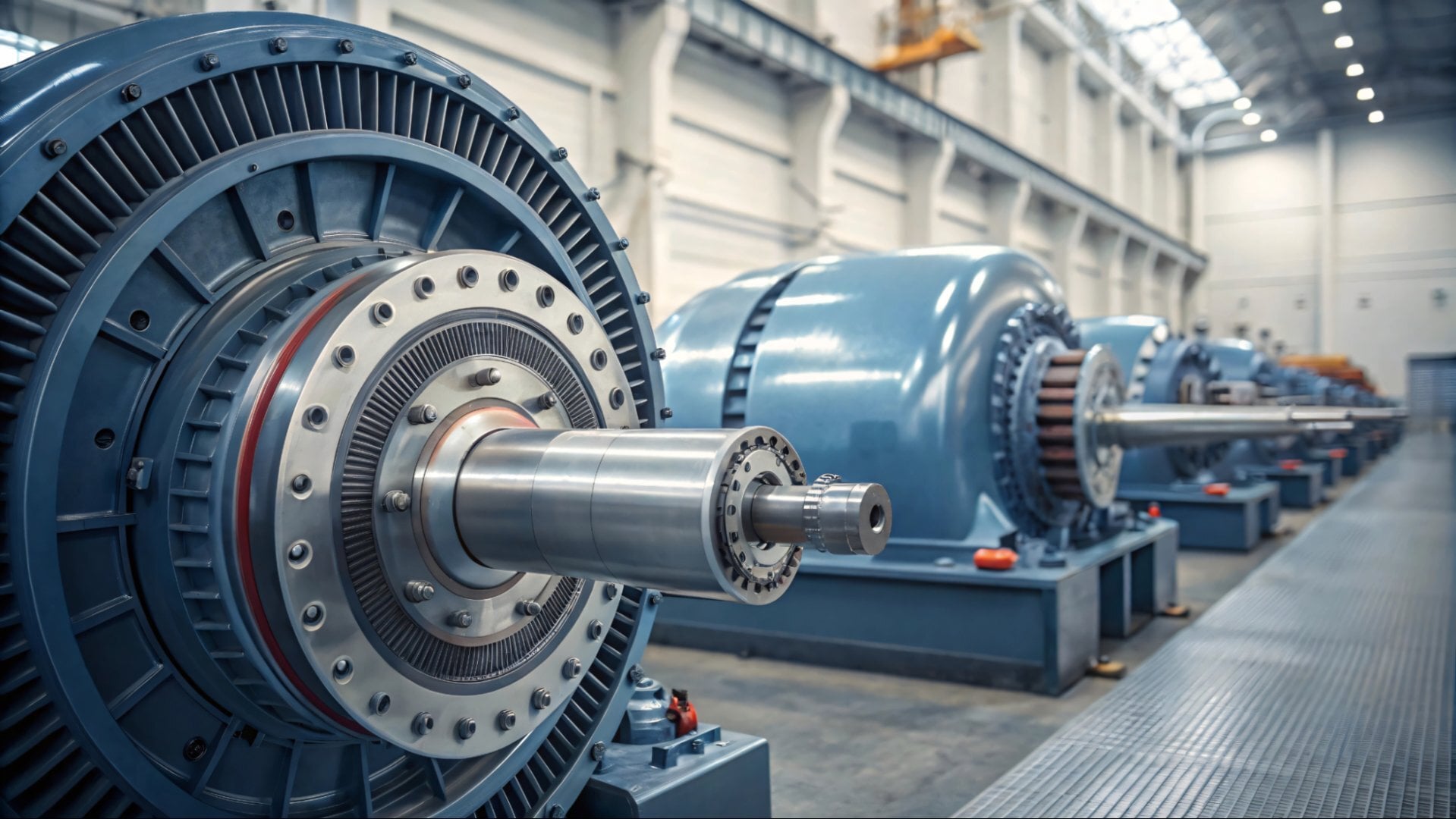
In hot water buildings, the circulator pump is what moves heat through the building. A weak pump, an air-bound loop, or a failing motor can leave upper floors or distant zones cold while the boiler sits at temperature. In steam buildings, condensate or boiler feed pumps that cannot keep up can starve the boiler of water and cause erratic heating. This is where heating problems become pump problems, and why our pump and motor team is often part of a heating diagnosis.
Controls and Sensors
Many NYC buildings run heat from a heat timer or control system that reads indoor temperature from sensors in a few apartments. If those sensors are in warm units, the system shuts off before cold units recover. If they are in a drafty corner, everyone else overheats. Sensor placement and control settings are some of the least expensive fixes for uneven heat.
The Building Envelope
Windows, exterior walls, and exposed corner apartments lose heat faster than interior ones. Uninsulated distribution piping in cellars and crawl spaces loses heat before it ever reaches the apartments. Radiators boxed in by covers or blocked by furniture cannot deliver what they receive.
One accountable partner
Cold apartments while others overheat?
Uneven heat usually crosses trades: boiler, vents, pumps, and controls. Omnia diagnoses the whole system in one visit, so you are not coordinating three vendors who each check their own piece.
Request a Site VisitWhy Turning Up the Boiler Makes It Worse
Raising steam pressure or boiler temperature feels like it should push heat to the cold apartments. In practice, it usually sends more heat to the apartments that were already warm, increases fuel use, and in steam systems can make venting and trap problems worse. Boiler settings should only be changed by a licensed professional who has looked at the whole system, and any safety or operating limits on the boiler should never be bypassed.
If a tenant's carbon monoxide alarm sounds, or anyone smells gas or notices signs of a boiler malfunction, treat it as an emergency: get people to safety, call 911 and the gas utility, and request professional help immediately.
What a Whole-System Diagnosis Looks Like
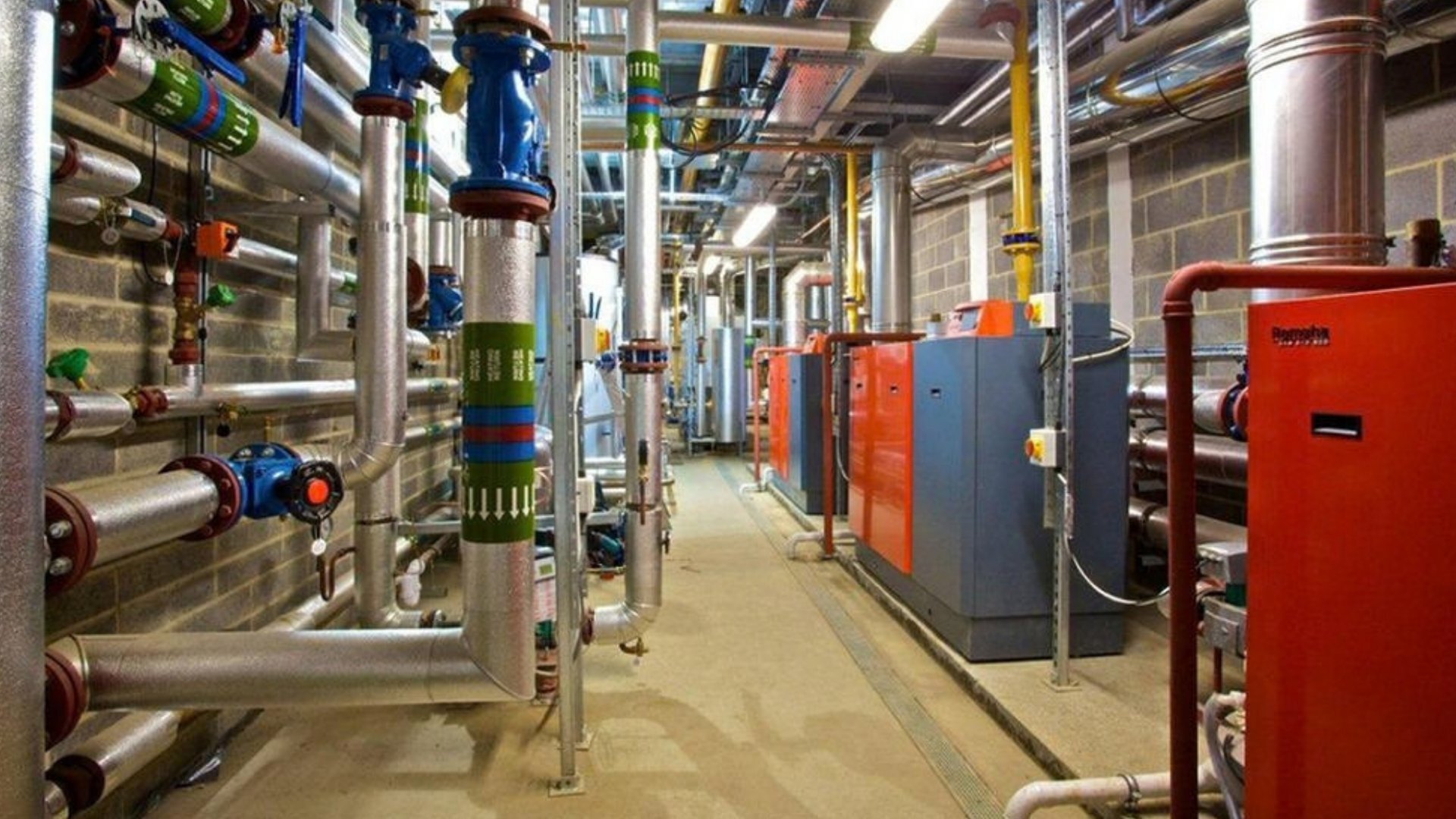
The fastest path to even heat is a diagnosis that looks at the building as one system. A good heating evaluation typically checks boiler operation and pressure or temperature settings, main and radiator venting, traps on two-pipe systems, pumps and circulation, control settings and sensor placement, and pipe pitch and insulation, then maps the findings against the complaint pattern.
That is also why uneven heat is one of the clearest cases for integrated service. When a boiler contractor, a pump vendor, and a controls company each check their own piece, each can be right about their equipment while the building stays cold. Our earlier post on the hidden mechanical issues behind tenant complaints covers how one root cause can show up as many different complaints.
Get Every Apartment Warm This Heating Season
Uneven heat is rarely solved by one adjustment, but it is almost always solvable. The buildings that fix it for good treat it as a balancing project: find the root causes, correct them in order, and keep the system tuned with routine maintenance.
Omnia brings boilers, plumbing and heating, pumps, motors, and fans, electrical, and controls under one accountable partner, with a family-rooted team that has been heating New York buildings since 1929. If your building has cold lines, overheated top floors, or a complaint pattern that keeps coming back, let us take a look at the whole system.
All systems, one solution. Serving NYC & Westchester since 1929.
Even heat, fewer complaints, and a building that runs the way it should.
Omnia diagnoses uneven heat across boilers, steam and hot water distribution, pumps, and controls as one integrated system, under one accountable, licensed partner. Request a site visit and we will start with the pattern your tenants are already reporting.
Request a Site Visit