In NYC buildings, summer puts extra strain on electrical systems. Tenants, staff, and building equipment are often pulling more power at the same time, and that added demand can surface problems that stayed hidden during lighter seasons. When panels, breakers, or electrical rooms start showing warning signs, the worst thing a property team can do is guess, reset repeatedly, or try to diagnose the issue.
This guide is for logging the right details, spotting red flags, and knowing when to call qualified electrical service. Warning signs near panels, breakers, risers, or electrical rooms should be documented and escalated quickly, and staff should never open panels, remove covers, or investigate inside electrical equipment. OSHA's electrical standards reinforce why electrical hazards need proper safety practices and qualified oversight.
Warning Signs Building Staff Should Log
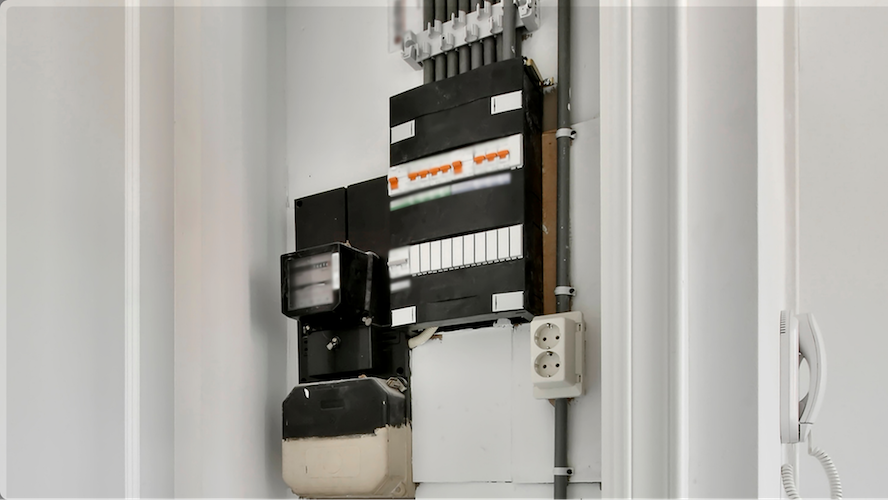
The goal here is to capture what staff can notice without opening panels or touching equipment. Common warning signs of an overheating electrical panel in a New York City building include:
- a burning smell near an electrical room, panel, riser, or utility closet
- buzzing, popping, or crackling sounds
- flickering lights in the same area or on the same line
- repeated breaker trips
- warm or discolored wall plates, covers, or nearby surfaces
- equipment resetting during peak usage
- tenant complaints that keep returning during hot afternoons or evenings
The rule of thumb is simple: staff should document what they observe, not investigate inside panels. If your building is seeing repeated trips, flickering lights, an electrical burning smell, or other warning signs, get started with our Electrical services explaining how our qualified service supports NYC properties.
Why Summer Makes Electrical Issues More Noticeable
You do not need to be an electrician to understand why these problems show up in the heat. During summer, buildings tend to see heavier demand from:
- cooling equipment
- tenant plug loads
- fans and motors
- pumps and mechanical systems
- amenity spaces or commercial areas
A panel that seemed perfectly fine in cooler months can start showing stress once demand climbs. Property managers, tenants, and building staff do not need to pin down the cause. They just need to notice the pattern and call early.
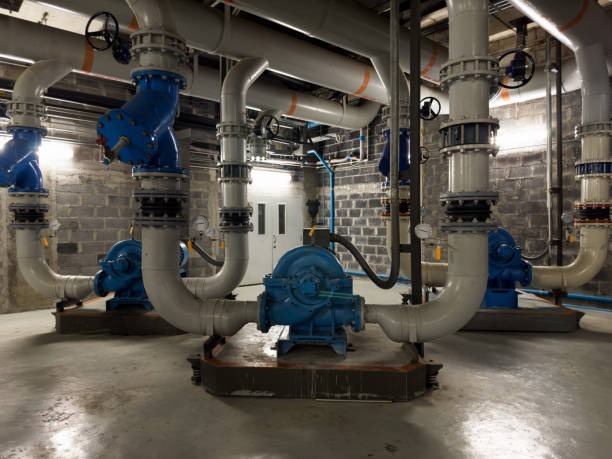
When electrical issues appear alongside pump, fan, motor, or other mechanical equipment problems, our Pumps, Motors & Fans page is a helpful reference for these connected building systems.
What to Record Before Calling Service
A consistent building manager electrical checklist makes the call to service faster and far more useful. Before reaching out, try to document:
- Building address
- Exact location of the issue
- Time first noticed
- Whether the issue is constant or intermittent
- What was reported: smell, heat, flicker, breaker trip, buzzing, or equipment reset
- Affected areas: one unit, one hallway, one floor, multiple areas, or a mechanical room
- Whether water, leaks, or moisture are nearby
- Whether elevators, pumps, fans, access systems, or building controls are affected
- Photos, only if it is safe and outside restricted equipment
Clear, written details give the service team a head start. When electrical issues disrupt building operations, our servicing focuses on fast response, clear communication, and coordinated next steps.
When to Treat It as Urgent
Some signs call for immediate escalation rather than a wait-and-see approach. Treat the situation as urgent if:
- there is a burning smell, smoke, or visible discoloration
- buzzing, popping, or crackling is reported
- breakers keep tripping in the same area
- lights flicker repeatedly in the same zone
- equipment tied to pumps, fans, elevators, access, or building controls is affected
- water or moisture is near electrical equipment
- the issue gets worse during peak load
- staff are unsure whether the area is safe
In these cases, restricting access and calling for emergency electrical service in NYC is far safer than trying to keep things running. NFPA's electrical safety resources reinforce why electrical warning signs and equipment concerns should be taken seriously in workplace and building environments.
What Building Staff Should Avoid
A safe response also means knowing what not to do:
- Do not open panels or remove covers.
- Do not repeatedly reset breakers to keep things running.
- Do not use temporary power workarounds without qualified review.
- Do not send staff into electrical rooms if there is smoke, active water, or a strong burning smell.
- Do not assume a recurring issue is minor just because the power comes back.
Keep the response call-driven: document the details, restrict access if needed, and escalate. This matters for compliance, too. NYC DOB explains that electrical work performed without the required permits can lead to violations, summonses, and fines, which is why building teams should avoid unauthorized fixes and follow the DOB electrical permit requirements.
How Omnia Helps Prevent Repeat Electrical Emergencies
Electrical warning signs often connect to larger building operations issues. Repeated trips, flickering lights, equipment resets, or peak-load problems can point to patterns worth reviewing by qualified service before they interrupt operations again. Those overheating warning signs frequently tie back to bigger questions like:
- load patterns
- equipment demand
- pump or fan operation
- repeated breaker trips
- aging panels
- documentation gaps
We help NYC property teams move from one-off emergency calls to a clearer maintenance and response plan. For portfolios, logging these incidents makes it much easier to spot repeated issues across buildings.
If your goal is fewer repeat disruptions and better visibility across building systems, our Maintenance approach supports planned service and organized follow-up.
Do you need a more organized rhythm for maintenance planning and documentation? Omnia+ helps coordinate recurring service across the systems your buildings rely on.
Don't Wait for a Small Warning Sign to Become an Outage
Electrical warning signs usually start small: a smell, a flicker, a breaker trip, or a tenant complaint that keeps coming back. The safest response is not guessing or repeatedly resetting equipment. It is clear documentation, restricted access when needed, and fast escalation to qualified service.
For NYC property teams, catching these patterns early can reduce outages, equipment damage, and avoidable disruptions. If your NYC building is seeing repeated breaker trips, flickering lights, burning smells, buzzing, or signs of electrical overheating, contact Omnia Mechanical Group to schedule qualified service.